CAVE · POKHARA
Mahendra Cave
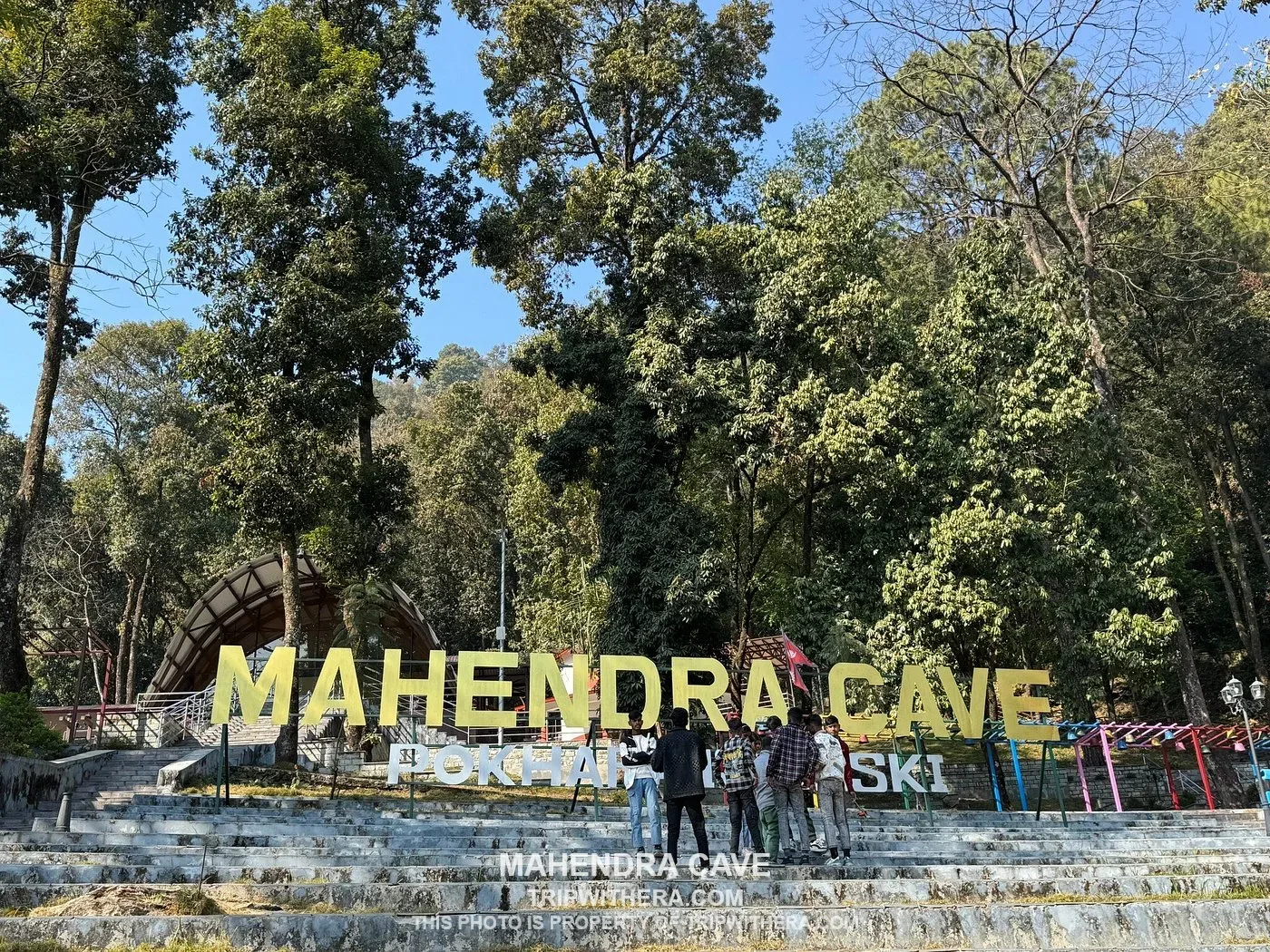
Mahendra Cave is a natural limestone cave in Batulechaur, Pokhara-16, known for its dark underground passages, stalactites, stalagmites and a small Shiva shrine. Travellers visit to explore the cave formations and experience one of northern Pokhara’s best-known underground attractions.
About Mahendra Cave
Everything important about this place, arranged for quick and easy trip planning.
Mahendra Cave Pokhara Visitor Guide
Mahendra Cave, also known locally as Mahendra Gufa, is a natural limestone cave in Batulechaur, Pokhara-16. Located on the northern side of Pokhara, the cave is known for its underground passages, naturally formed stalactites and stalagmites, damp rock surfaces and a small shrine dedicated to Lord Shiva. It gives travellers a completely different experience from Pokhara’s lakes, viewpoints and open-air attractions.
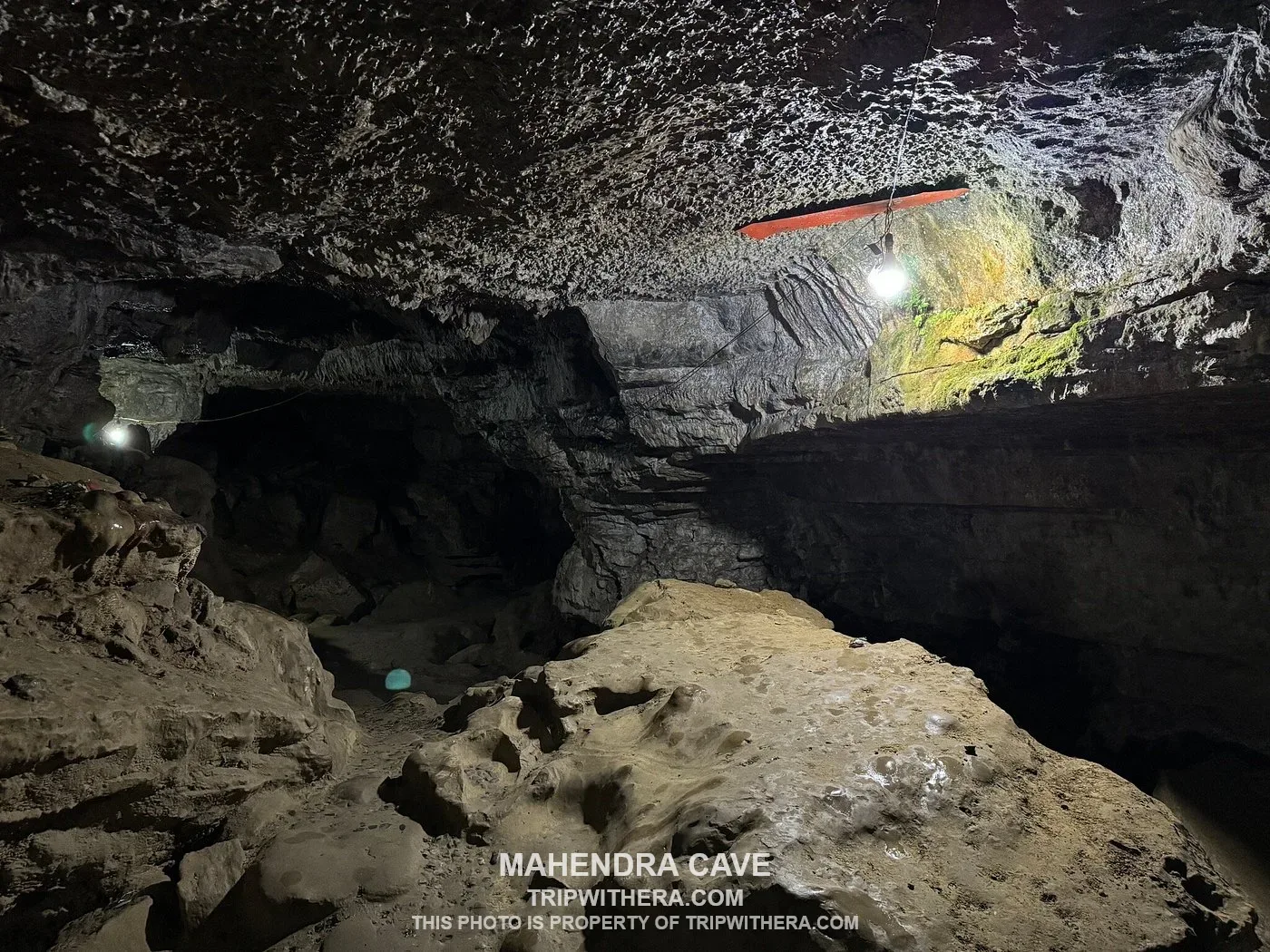
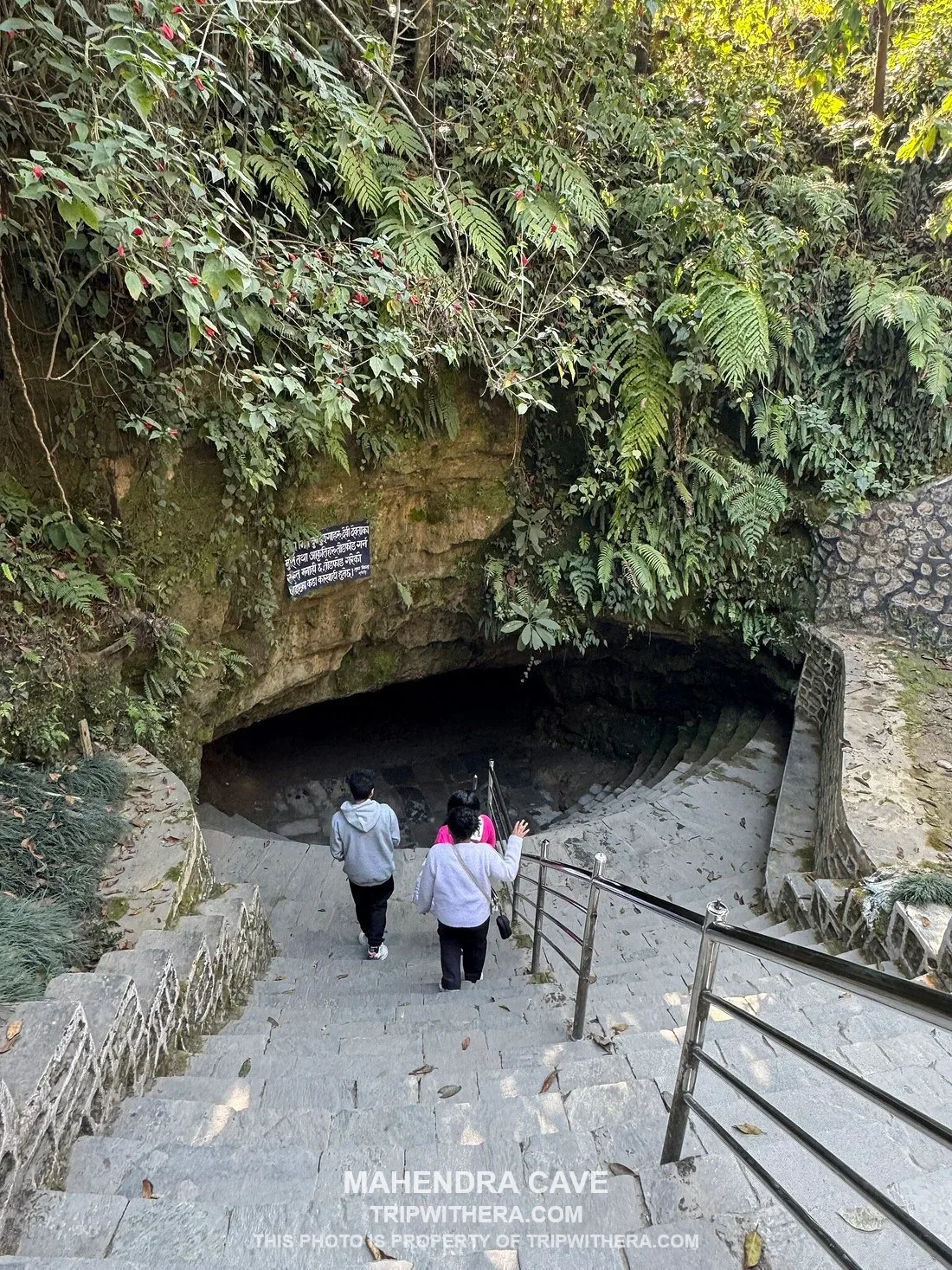
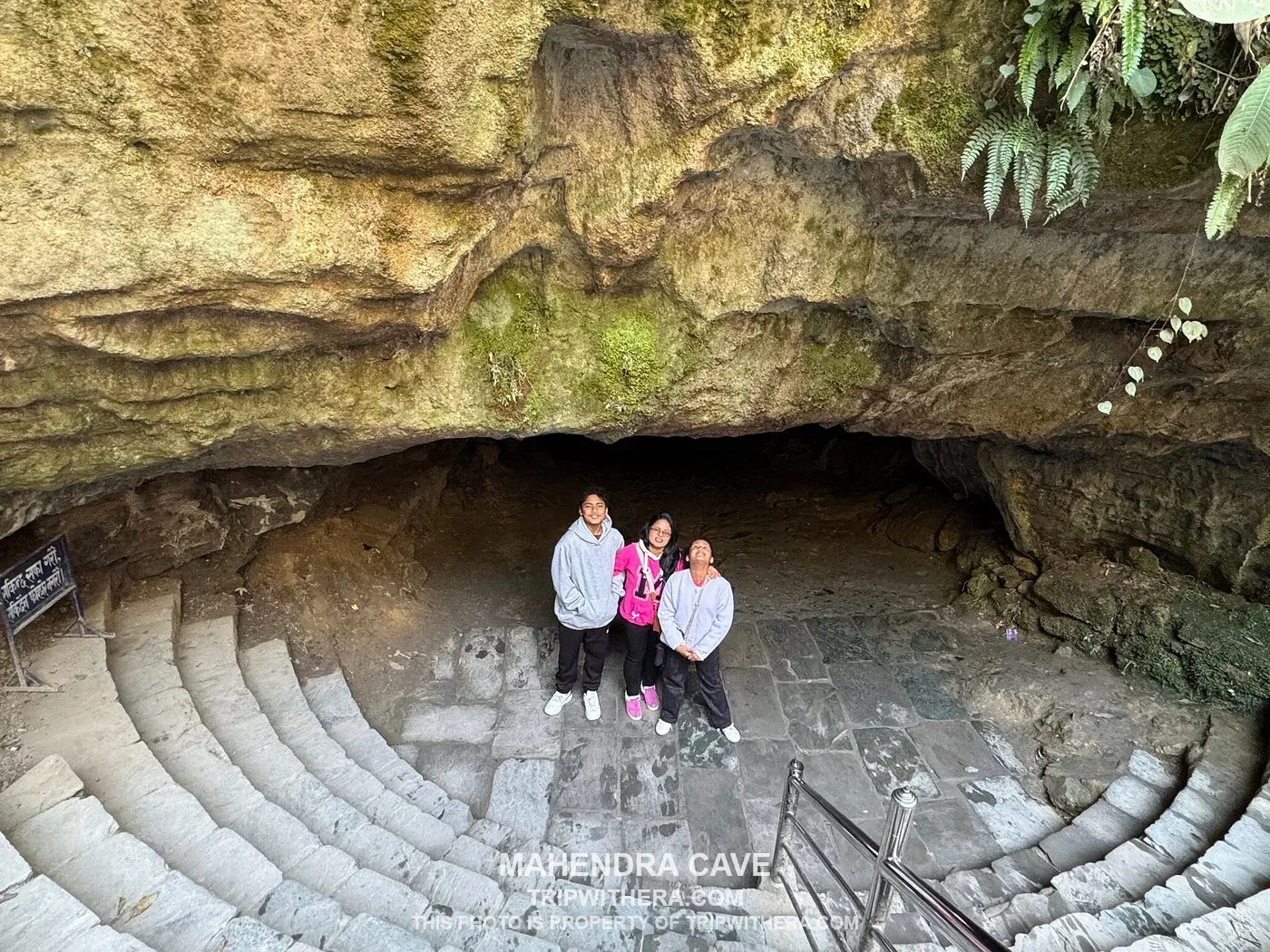
Once inside, the surroundings quickly become cooler, darker and more humid. Artificial lighting covers the main visitor section, but some corners remain dim. Water continues to seep through parts of the limestone, so the floor can be wet and uneven. The cave is best explored slowly, with comfortable footwear that provides a good grip.
## Natural limestone cave located in Pokhara-16, Batulechaur ## Known for stalactites, stalagmites and underground rock formations ## A small Shiva shrine is located inside the cave ## Cave passages can be cool, damp and slipperyWhat to See Inside Mahendra Cave
Natural Limestone Formations
The limestone formations are the main attraction inside Mahendra Cave. Stalactites can be seen hanging from parts of the ceiling, while stalagmites rise from the cave floor. These formations have developed naturally over a long period as mineral-rich water has moved through the limestone.
The cave has not been turned into a polished indoor attraction, which is part of its appeal. Uneven rocks, narrow sections and naturally shaped surfaces give visitors a stronger sense of exploring an actual cave rather than walking through a constructed display.
Shiva Shrine Inside the Cave
A shrine associated with Lord Shiva is found within Mahendra Cave. Because of this, the cave also has religious importance for local Hindu visitors. Travellers entering the shrine area should behave respectfully and avoid disturbing people who may be praying or performing religious rituals.
Underground Cave Experience
The atmosphere changes noticeably after entering the cave. Daylight becomes limited, the temperature feels cooler and the sound of dripping water becomes more noticeable. Basic electric lighting helps visitors navigate the main path, although carrying a phone flashlight or small torch can still be useful in darker areas.
## Basic lighting is available in the main visitor section ## Carrying a phone flashlight can be useful in darker corners ## Good-grip footwear is recommended for the wet cave floorThings to Do at Mahendra Cave
Exploring the cave on foot is the main activity. Visitors can observe different limestone shapes, examine the rock texture from close range and experience the natural underground environment. Photography is also popular, although low light can make clear photographs more difficult without proper camera settings.
The Shiva shrine adds a short religious stop during the cave visit. Those interested in geology can pay particular attention to the way dripping water has shaped different parts of the cave over time.
Mahendra Cave can also be included in a wider Pokhara sightseeing day. Its northern location makes it suitable for travellers who want to explore attractions beyond the Lakeside area.
Recommended Visit Duration
Most travellers can comfortably explore the main accessible section of Mahendra Cave in around 45 minutes to one hour. Visitors who move slowly, take photographs or spend additional time observing the limestone formations may need a little longer.
There is usually no need to reserve an entire day for the cave. It works better as one stop in a broader Pokhara itinerary, especially when combined with other attractions around the city.
## Keep around 45 minutes to 1 hour for a normal visitHow to Reach Mahendra Cave
Mahendra Cave is located in Batulechaur in Pokhara Metropolitan City Ward 16, north of the central tourist area. Travellers staying around Lakeside can reach the cave by taxi, private vehicle, motorbike, scooter or local public transport.
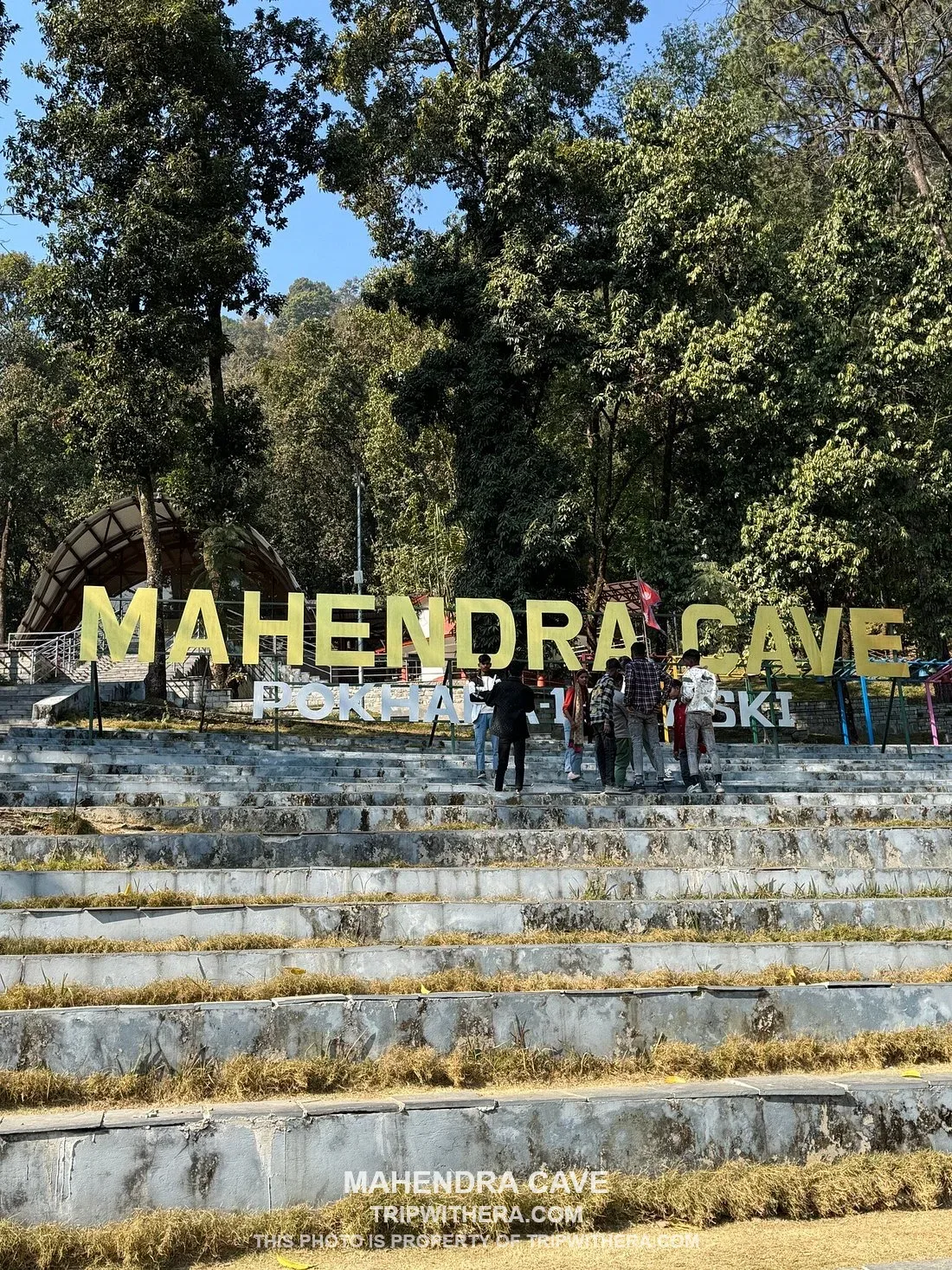
Taxi or private vehicle is generally the easiest choice for travellers who want a direct journey. Local buses and microbuses travelling toward Batulechaur can be a more budget-friendly option. Road access is available up to the attraction area, and parking is available near the entrance.
## Taxi, local bus, microbus, motorbike and private vehicle can be used to reach the cave ## Parking is available near the attractionOpening Hours and Entry
Mahendra Cave is generally open daily for visitors. Current visitor listings commonly show operating hours of approximately 7:00 AM to 6:00 PM. Because timings and ticket rules can change locally, travellers should check the entrance counter for the latest information before entering.
Entry charges may differ depending on nationality and visitor category. Separate child, camera, video or guide charges are not always consistently published, so the ticket counter should be treated as the final source for the current rate on the day of the visit.
Best Time to Visit Mahendra Cave
Morning is a convenient time to visit Mahendra Cave, especially for travellers planning several Pokhara attractions in one day. The cave itself remains relatively cool compared with the outside environment, so it can be explored during different seasons.
September to November and March to May are generally comfortable periods for sightseeing around Pokhara. During the monsoon months, additional care is useful because moisture inside the cave can make some sections wetter and more slippery.
## Morning is a convenient time for a quieter and easier visit ## March-May and September-November are practical sightseeing periodsSafety and Visitor Tips
- Wear shoes or sandals with good grip because parts of the floor may be wet and slippery.
- Carry a phone flashlight or small torch for darker sections.
- Walk carefully where the rock surface is uneven.
- Watch your head in areas where the cave ceiling becomes lower.
- Keep children close while moving through wet or narrow sections.
- Do not touch, break or damage natural limestone formations.
- Respect the Shiva shrine and people performing religious activities.
- Keep sufficient battery on your phone if you plan to use it for lighting or photography.
Who Should Visit Mahendra Cave?
Mahendra Cave is suitable for families, groups, solo travellers and budget travellers interested in natural attractions. It is particularly enjoyable for people curious about caves, geology, photography or short adventure experiences.
Visitors with significant mobility difficulties should consider the uneven and sometimes slippery cave surface before entering. Families travelling with young children should also keep them close while inside.
Why Include Mahendra Cave in a Pokhara Trip?
Pokhara is best known for mountain views, lakes and hilltop attractions, but Mahendra Cave shows another side of the destination. Instead of panoramic scenery, the experience takes visitors underground into a naturally formed limestone environment with unusual rock formations, damp passages and a small religious shrine.
The visit does not require much time and can easily fit into a wider sightseeing schedule. For travellers who want more than the usual Lakeside experience, Mahendra Cave adds a short but distinctive natural and adventurous stop to a Pokhara itinerary.
NatureReligiousCavePaid Entry
Travel, Timing & Entry Information
Use the quick sections below to understand transport, timing, fees and basic access.
01
GETTING THERE
Distance & Transport
- Distance from City Centre
- 8.0 KM
- Distance from Airport
- 9.0 KM
- Distance from Bus Stand
- 10.0 KM
- Approx. Travel Time
- 20-30 minutes by taxi or local bus from Lakeside
- Transport Options
- Taxi, Local Bus, Microbus, Private Vehicle, Motorbike/Scooter
- Road Condition
- Paved road access to the entrance; cave floor is damp and uneven
- Taxi Fare
- NPR 700–900 one-way from Lakeside
- Local Bus Fare
- NPR 30–40
- Parking
- Available
02
VISITOR DETAILS
Timing & Entry
- Opening Time
- 7:00 AM
- Closing Time
- 6:00 PM
- Weekly Closing
- Open Daily
- Adult Entry
- NPR 200 foreign visitor / NPR 100 Nepalese visitor
- Child Entry
- Not specified
- Camera / Video
- Photography and video allowed; no separate charge currently listed
- Guide Charge
- Approx. NPR 200–300
- Best Time of Day
- Morning
- Best Months
- September–November, March–May
- Crowd Level
- Seasonal
LOCATION / ADDRESSBatulechaur, Pokhara Metropolitan City Ward 16, Kaski, Gandaki Province, Nepal.
Open Directions Facilities, Suitability & Activities
See what is available and who will enjoy this place most.
Facilities
ParkingMobile NetworkGuide Available
Suitable For
FamilyChildrenSolo TravellerWomen TravellerGroup TravellerBudget Traveller
Activities
PhotographyCultural Experience
Mahendra Cave Gallery
Open any image to view the full-size location photo.
Nearby Tourist Places
Add nearby attractions to make better use of your travel time.
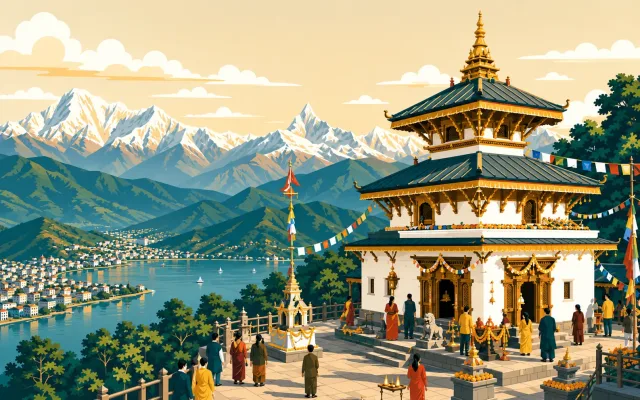 Temple8.7/10
4.4 KM away
Bindhyabasini Temple
Via Bagar and central Pokhara
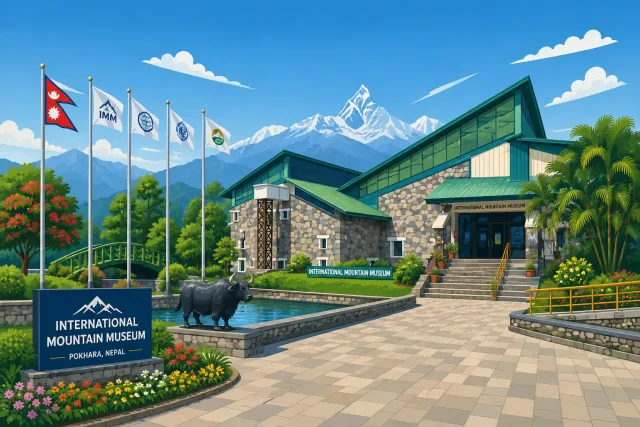 Historical9.3/10
10.2 KM away
International Mountain Museum
South through central Pokhara
 Viewpoint8.9/10
11.3 KM away
Sarangkot
West toward Sarangkot ridge
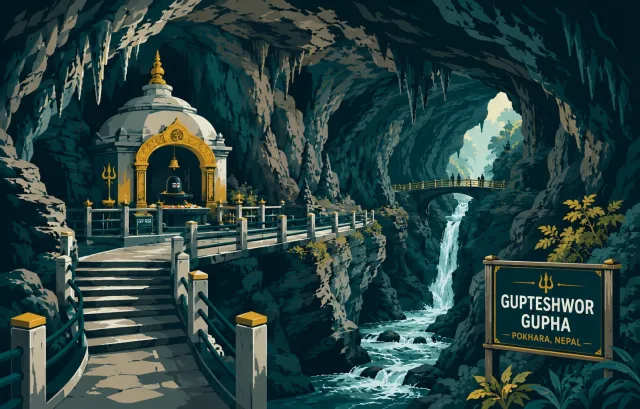 Cave9.7/10
11.5 KM away
Gupteshwor Mahadev Cave, Pokhara
Chhorepatan, opposite Devi’s Fall
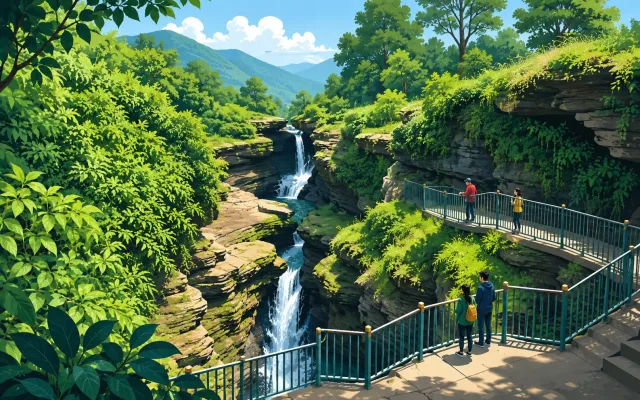 Waterfall7.0/10
11.5 KM away
Devi’s Fall
Chhorepatan, opposite Gupteshwar Cave
Traveller Reviews
Approved traveller feedback helps others plan with realistic expectations.
No approved traveller reviews yet
Be the first traveller to share a useful experience.