HISTORICAL · POKHARA
International Mountain Museum
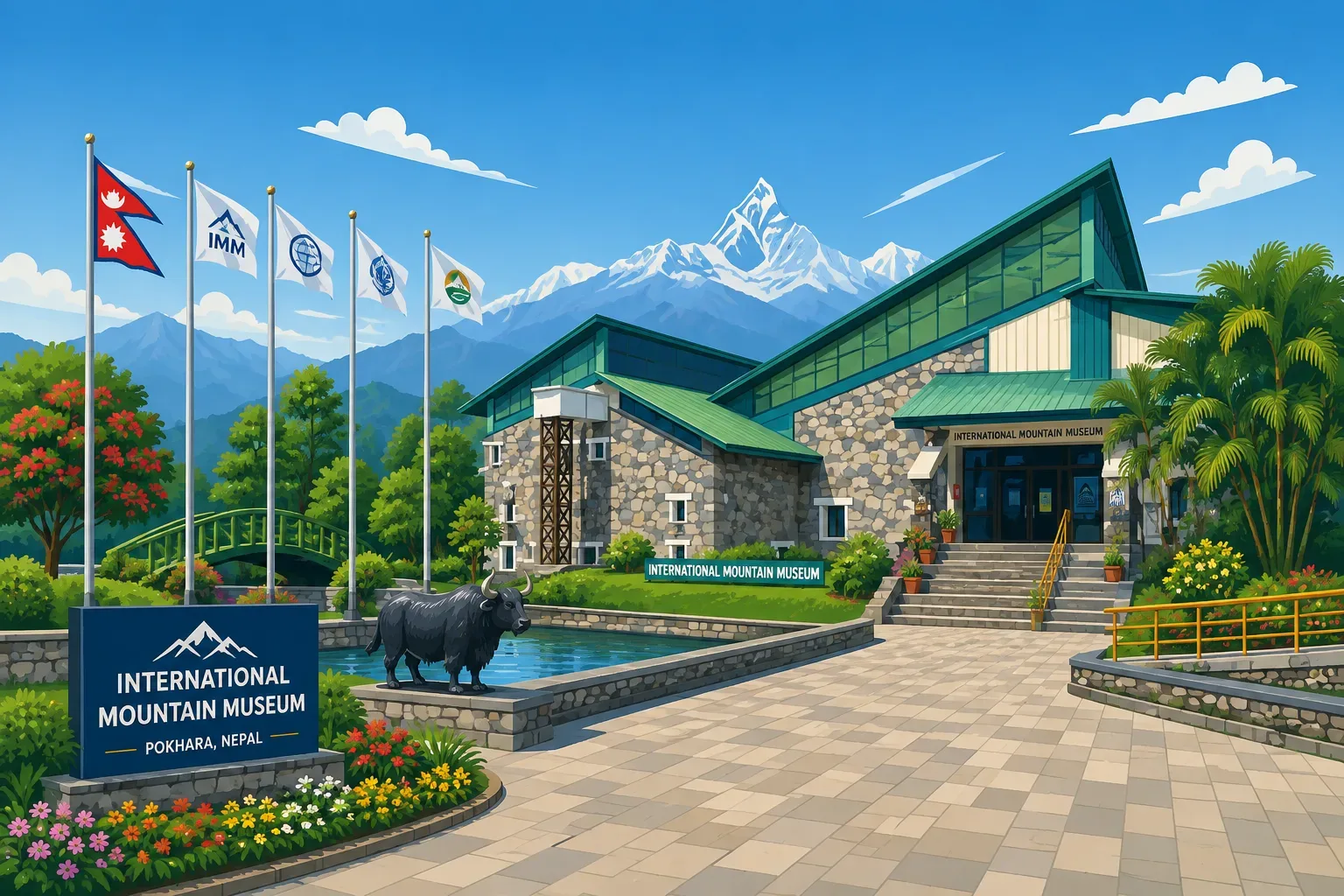
The International Mountain Museum is one of Nepal's most educational and unique attractions, located in Pokhara. Dedicated to the Himalayas, mountaineering history, mountain cultures and famous expeditions, the museum offers visitors an opportunity to explore the world's highest mountains, learn about legendary climbers and discover the lifestyle of Himalayan communities. It is an ideal destination for families, students, trekkers, photographers and anyone interested in Nepal's mountain heritage.
About International Mountain Museum
Everything important about this place, arranged for quick and easy trip planning.
Overview
The International Mountain Museum (IMM) is one of Pokhara's premier cultural and educational attractions. Established to preserve and showcase the rich heritage of the Himalayas, the museum introduces visitors to Nepal's famous mountains, mountaineering history, geology, biodiversity and indigenous mountain communities.
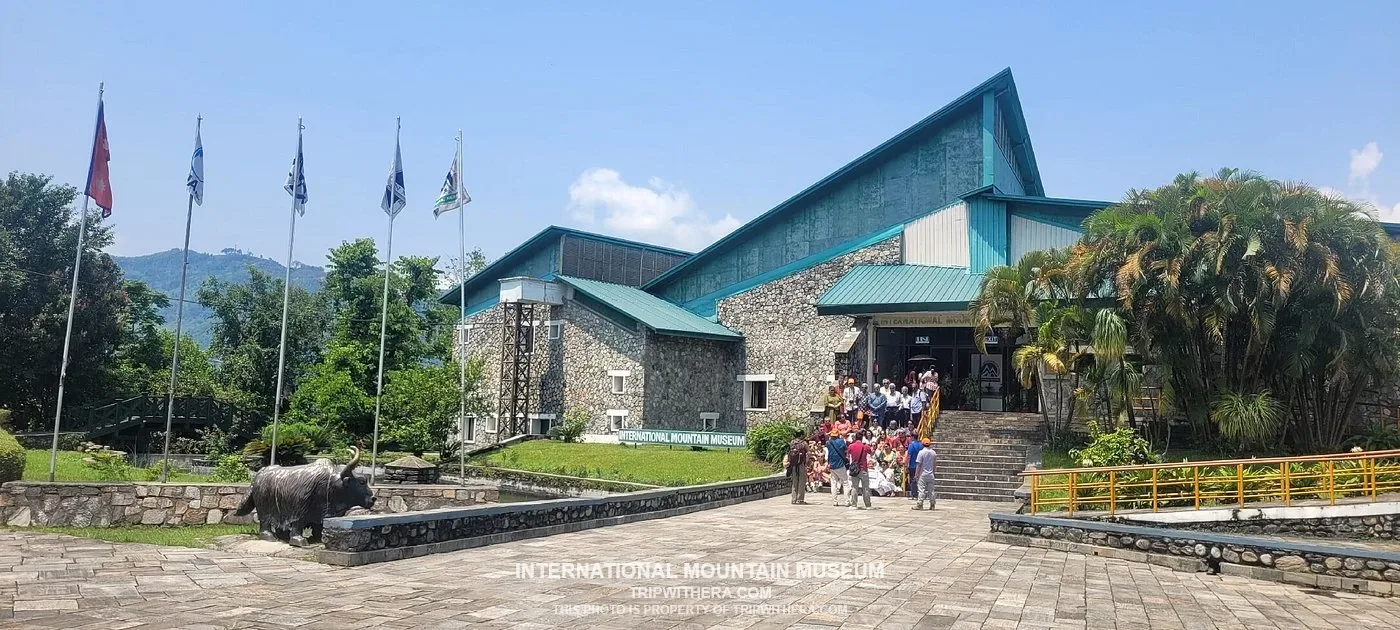
Located at the southern side of Pokhara, the museum serves as an excellent introduction to the Himalayan region before visiting trekking destinations such as Annapurna Base Camp, Ghorepani, Mustang, Manang or Everest.
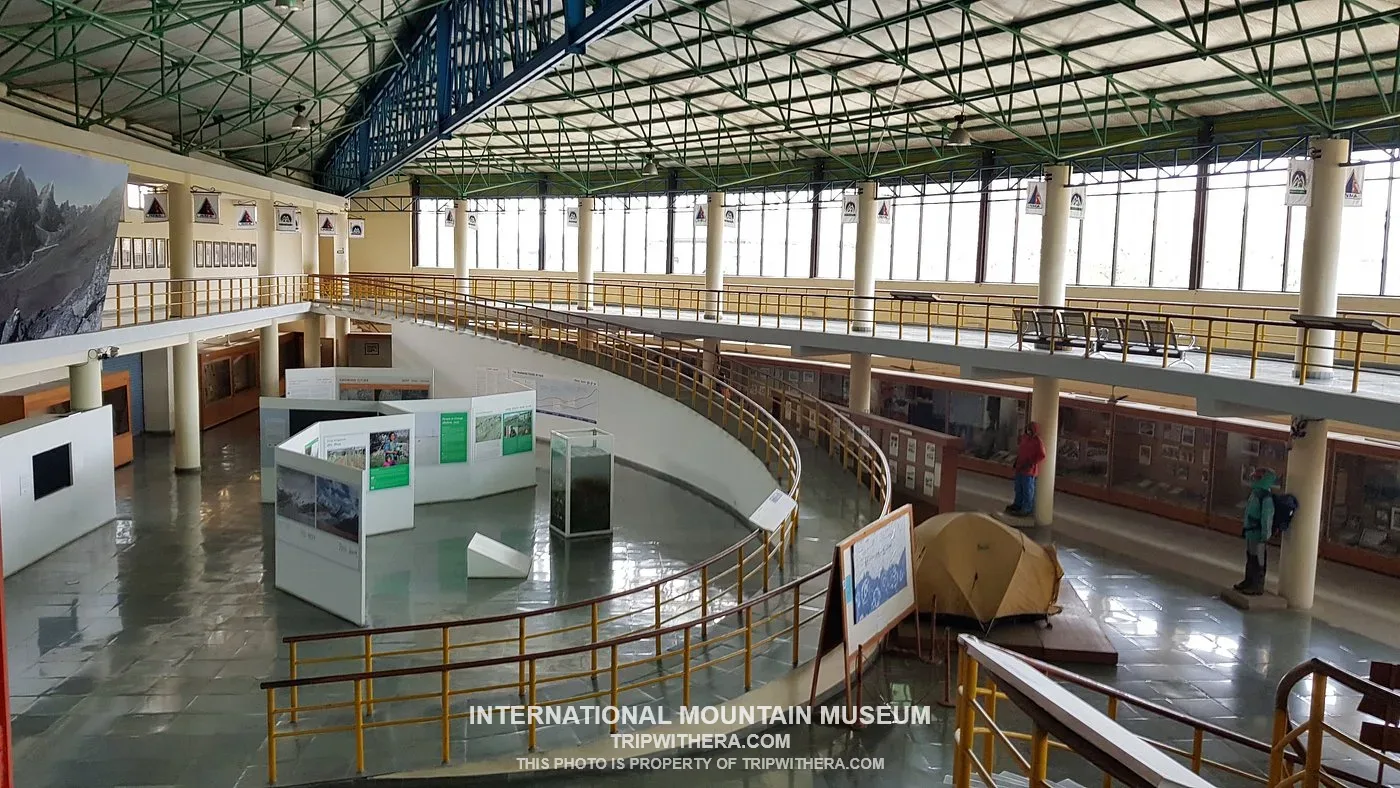
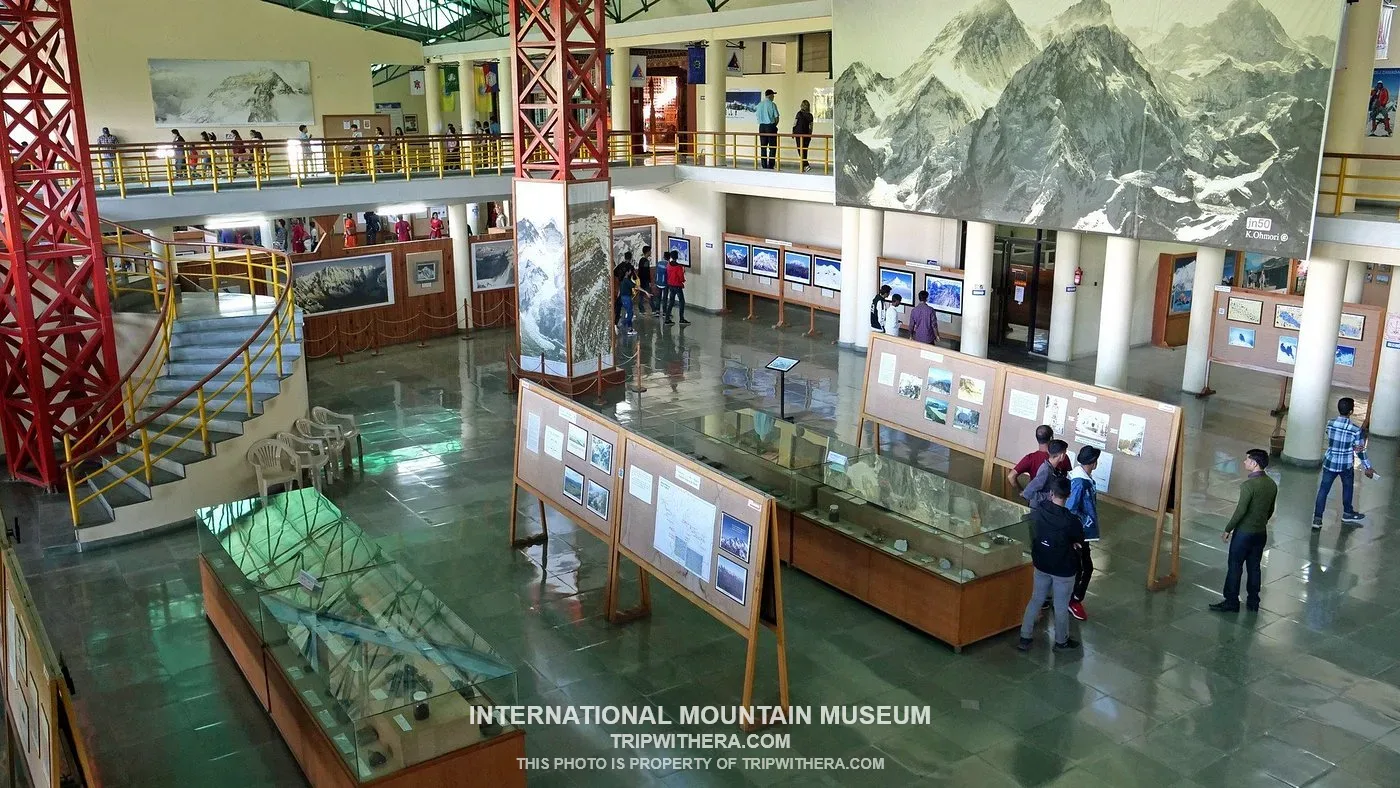
Through interactive exhibits, historical collections, photographs, mountaineering equipment and life-size displays, visitors gain a deeper understanding of Nepal's mountain environment and its global significance.
Atmosphere
The museum has a peaceful, informative and family-friendly atmosphere. Beautiful gardens, open spaces and panoramic Himalayan views create a pleasant environment for visitors of all ages.
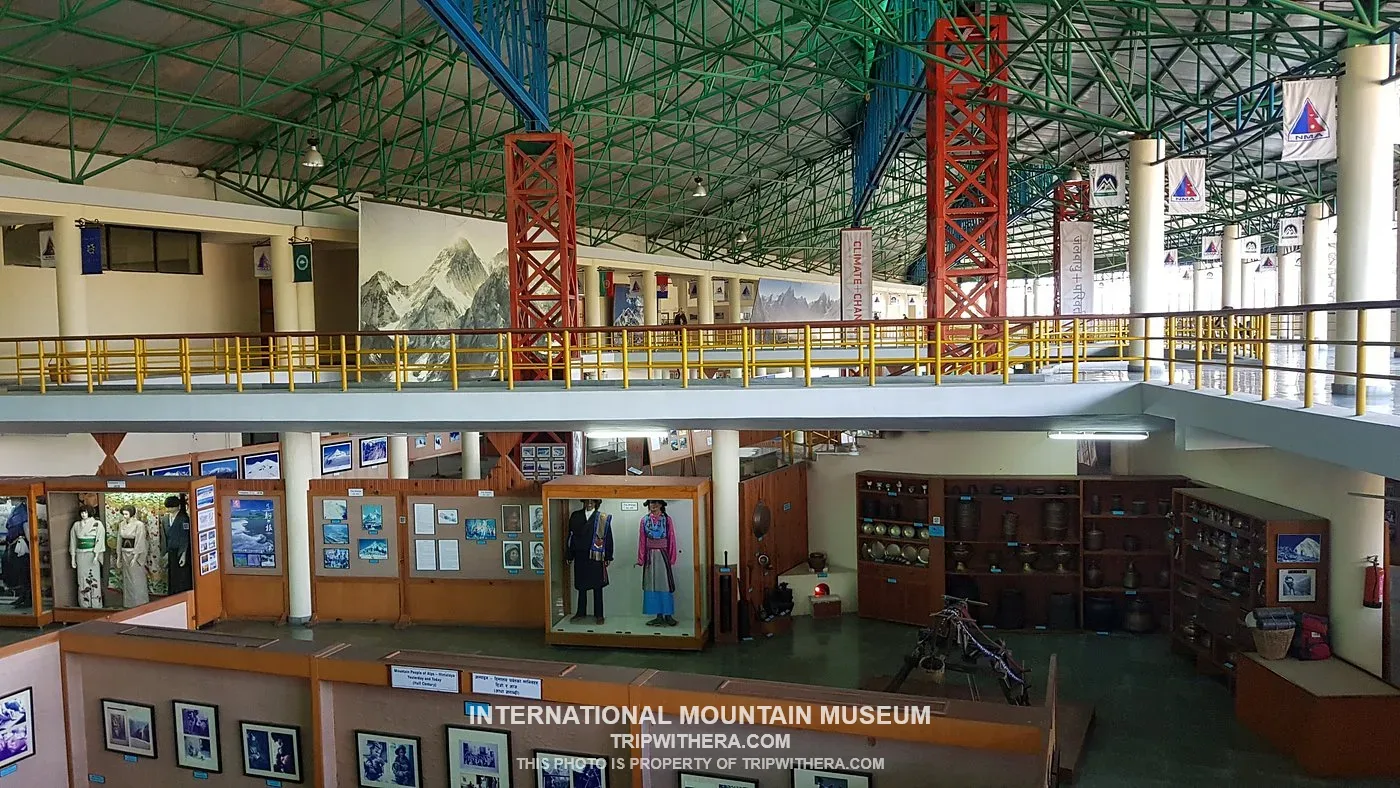
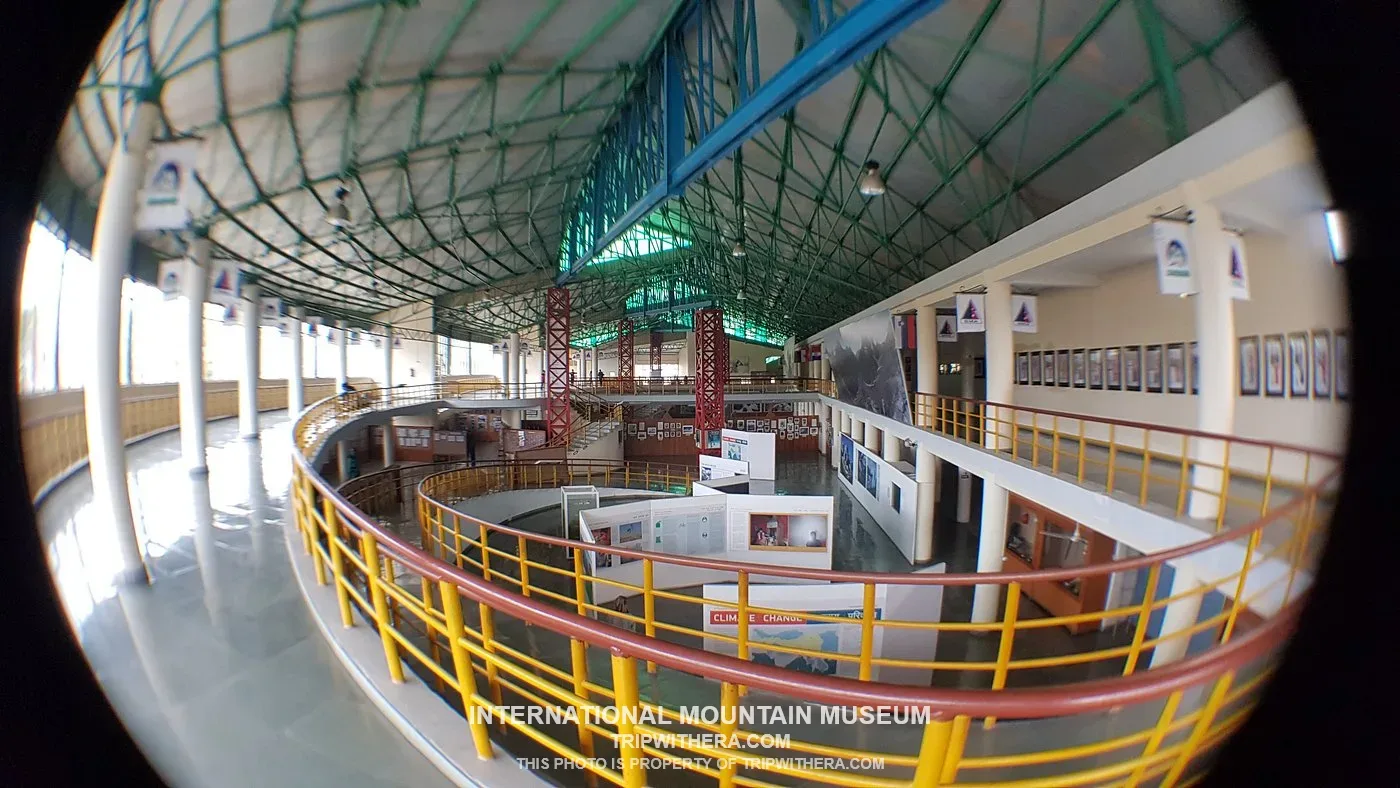
Inside the museum, galleries are well organised with detailed information, historic artifacts, climbing equipment, cultural exhibits and educational displays. The quiet environment allows visitors to explore at their own pace.
Main Attractions
Hall of Great Himalayas
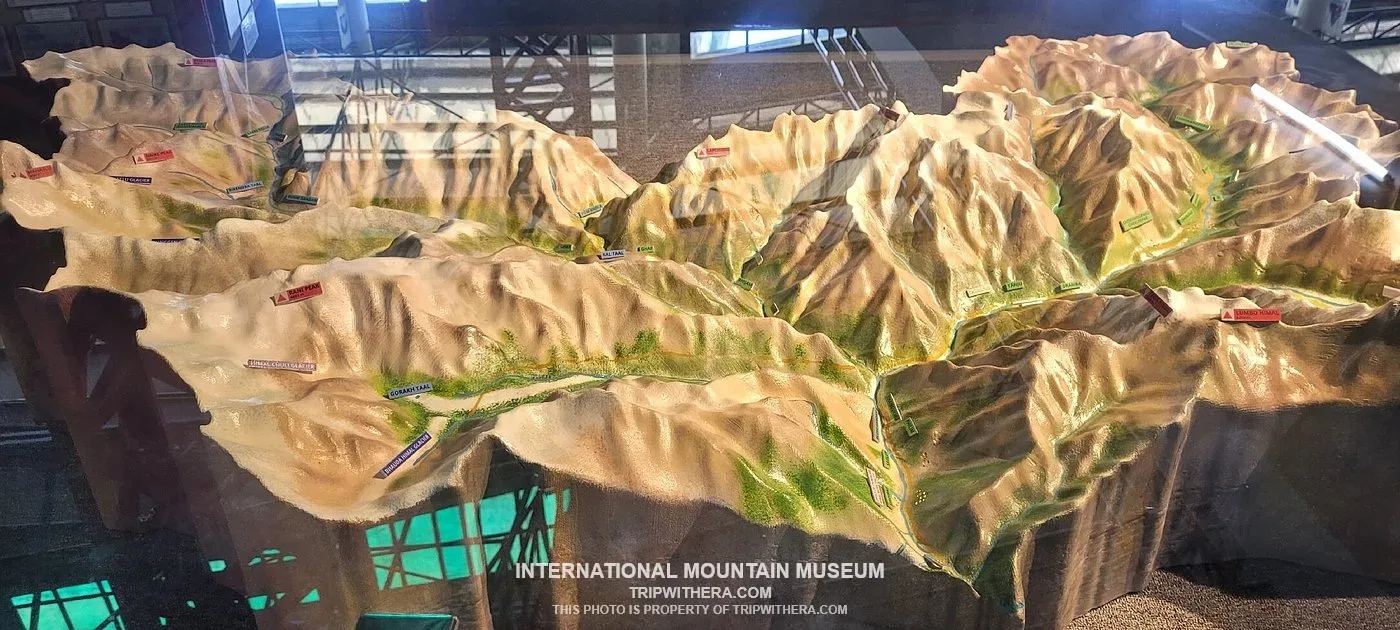
This gallery introduces visitors to the Himalayan mountain system, including Mount Everest, Annapurna, Dhaulagiri, Manaslu, Machhapuchhre and many other iconic peaks. Detailed maps, relief models and geological information help visitors understand the world's highest mountain range.
Hall of Mountaineering
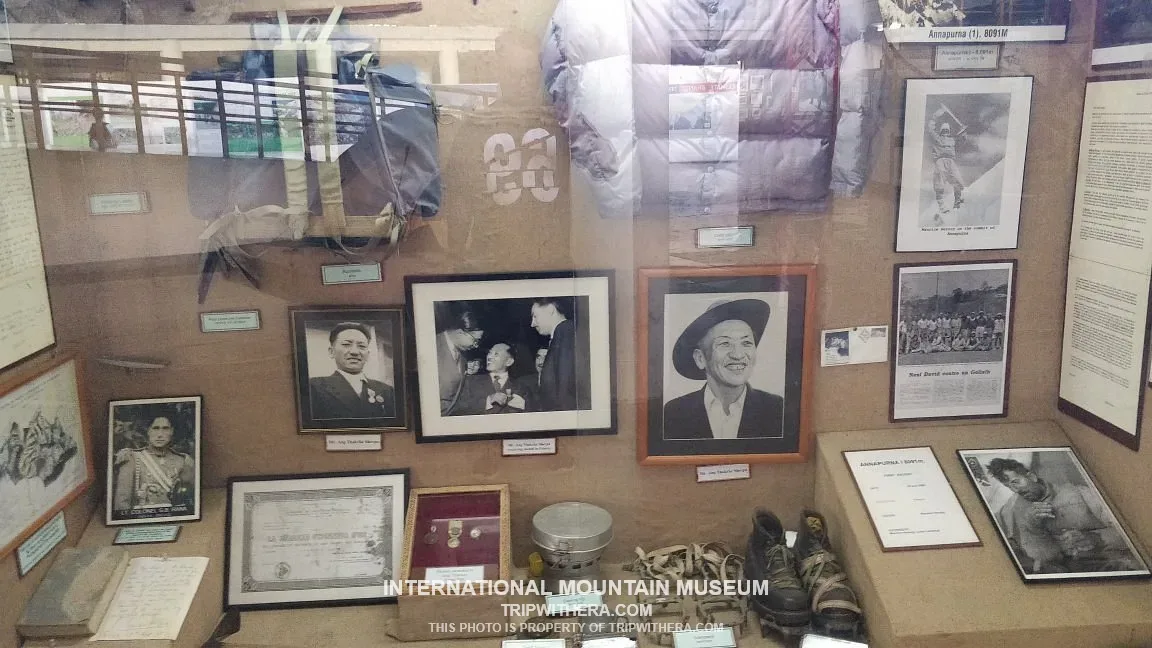
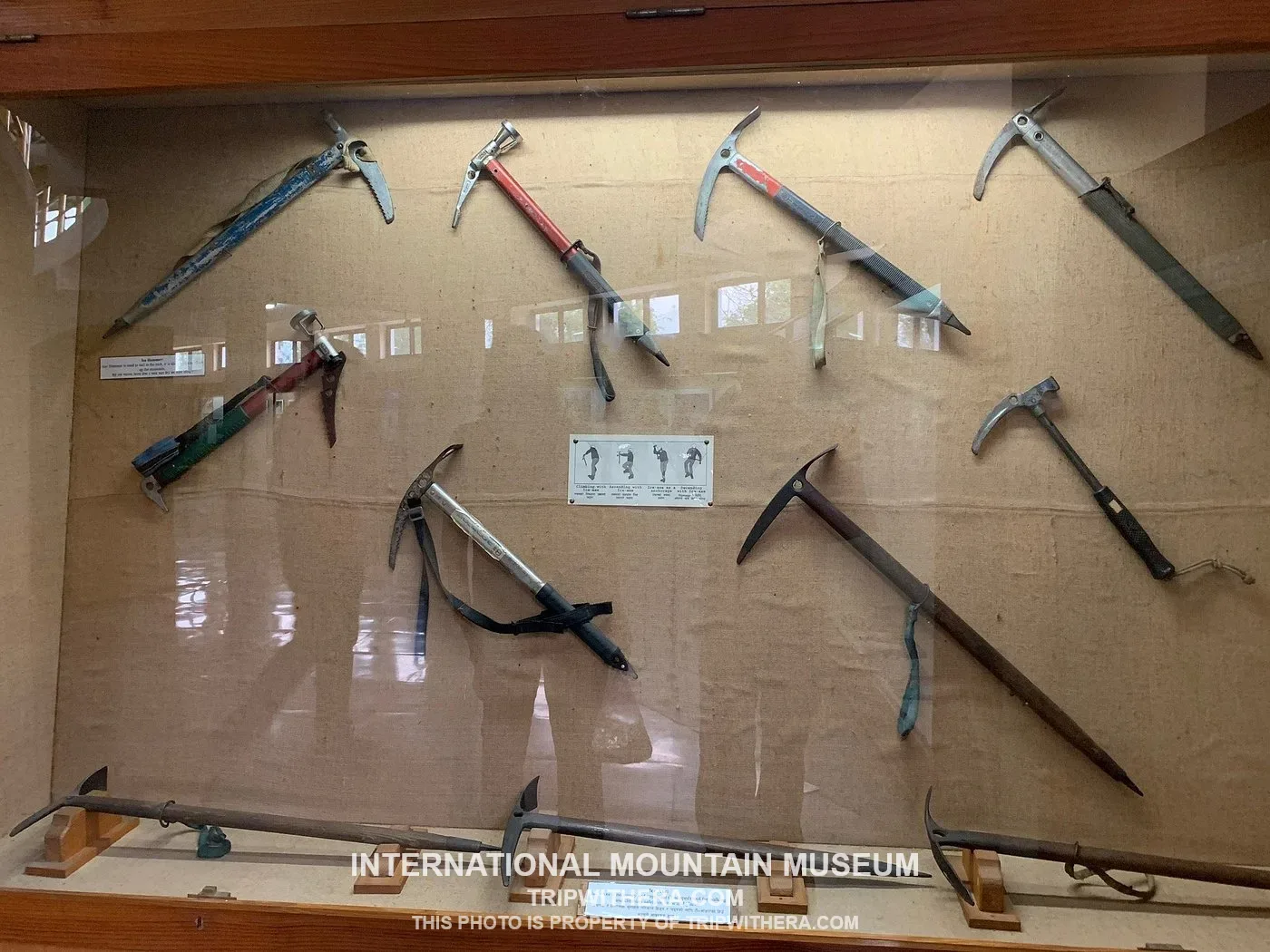
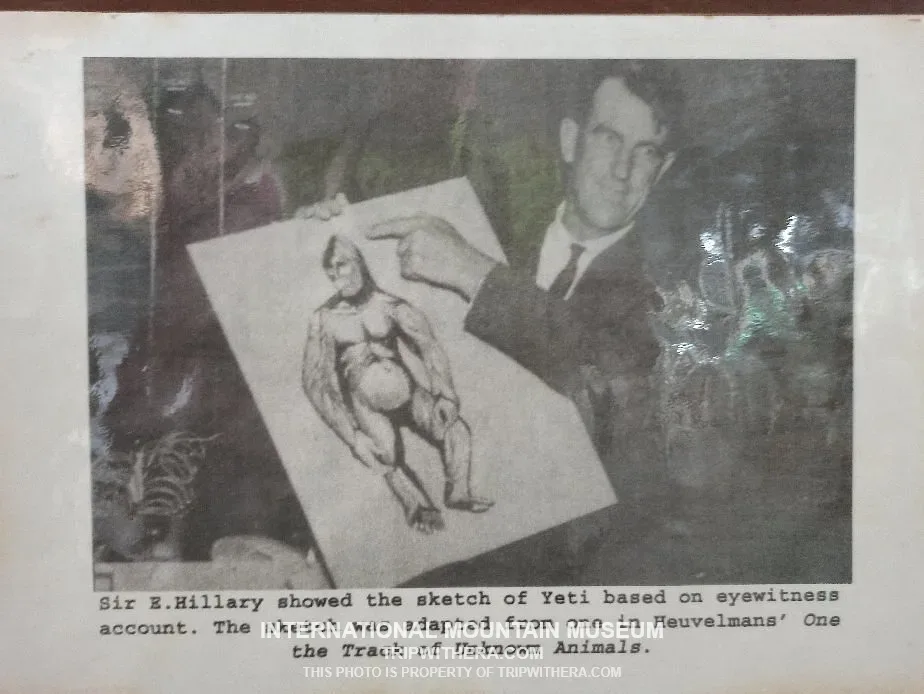
One of the museum's highlights is its extensive collection of mountaineering history. Visitors can explore historic climbing equipment, expedition photographs, oxygen systems, ropes, boots, clothing, tents and equipment used by famous climbers throughout history.
The gallery also presents stories of successful Himalayan expeditions and the evolution of mountain climbing technology.
Mountain People Gallery
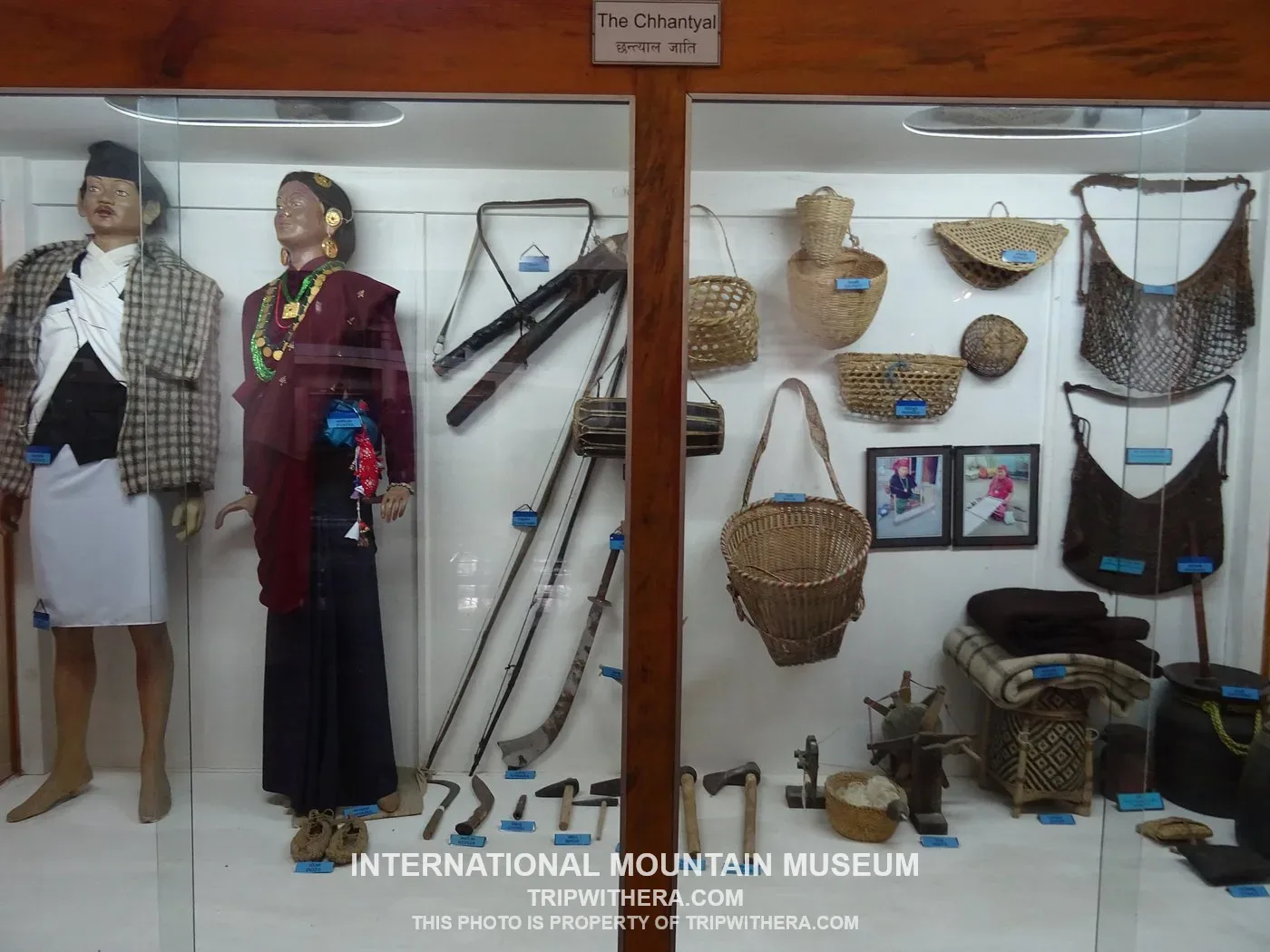
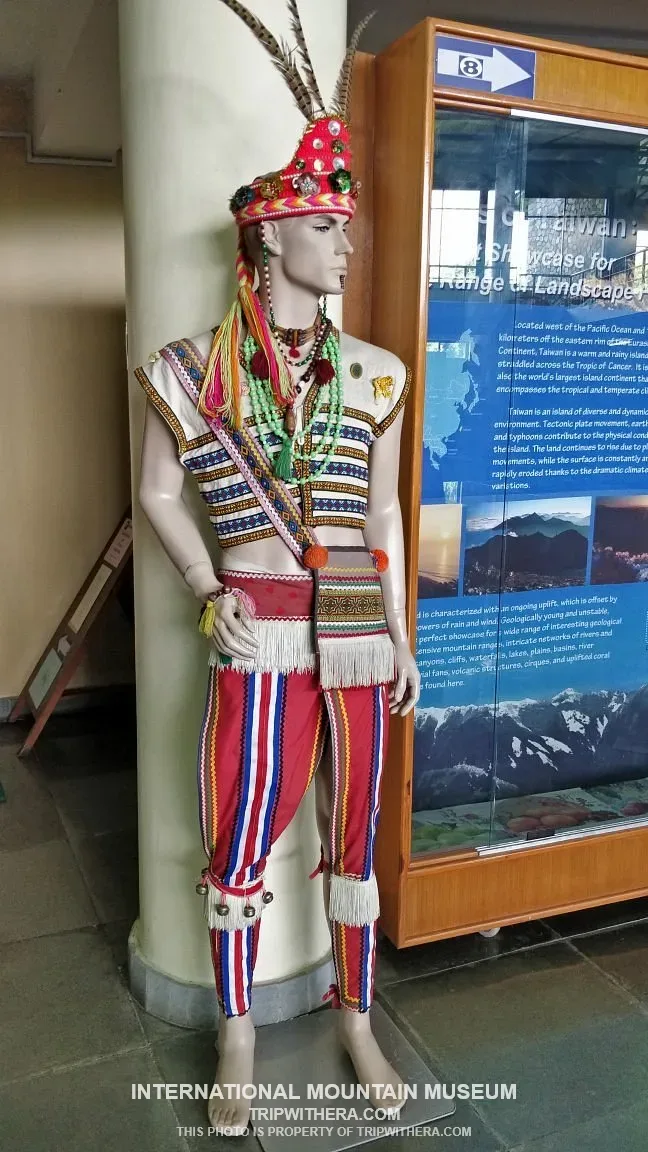
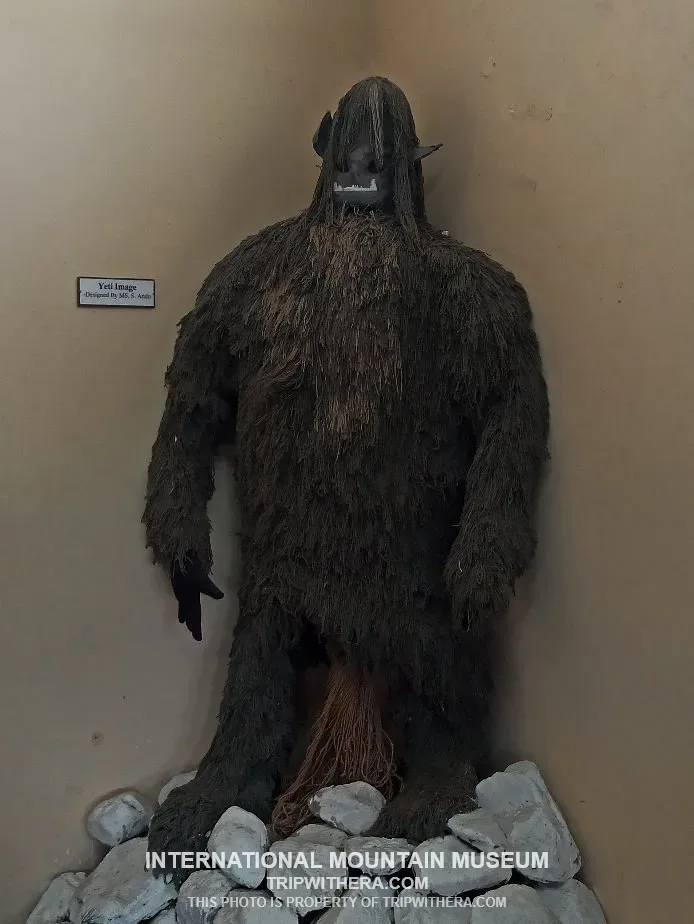
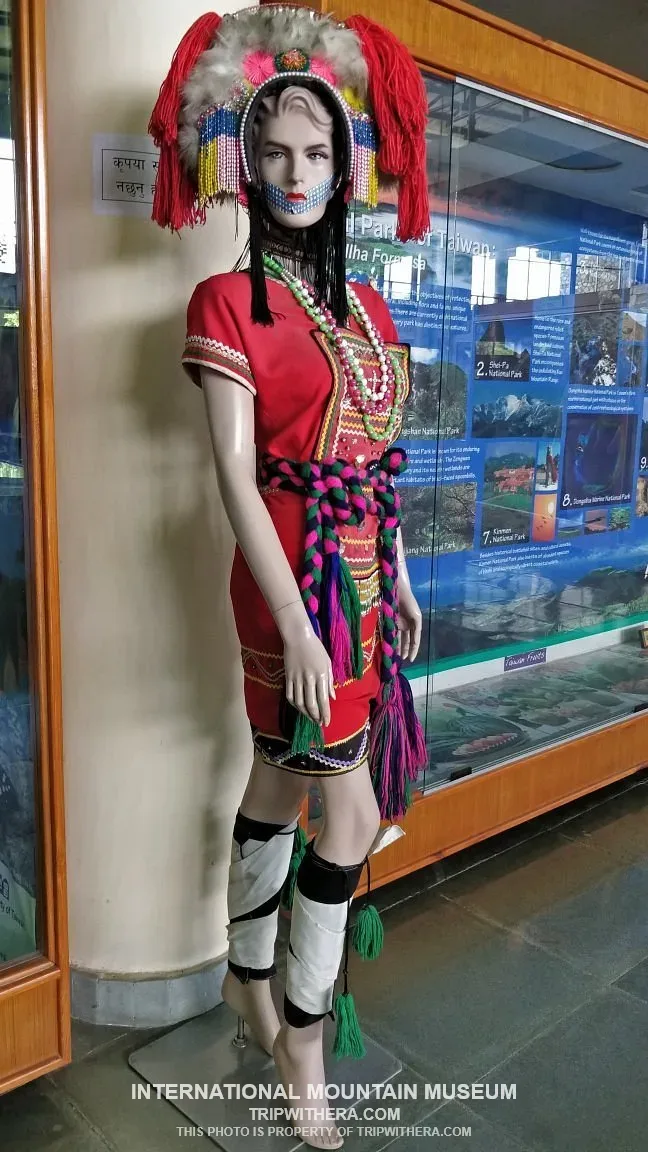
This section showcases the lifestyle, traditions, clothing, architecture, culture and daily life of Himalayan communities such as Sherpa, Gurung, Thakali, Magar and other mountain ethnic groups.
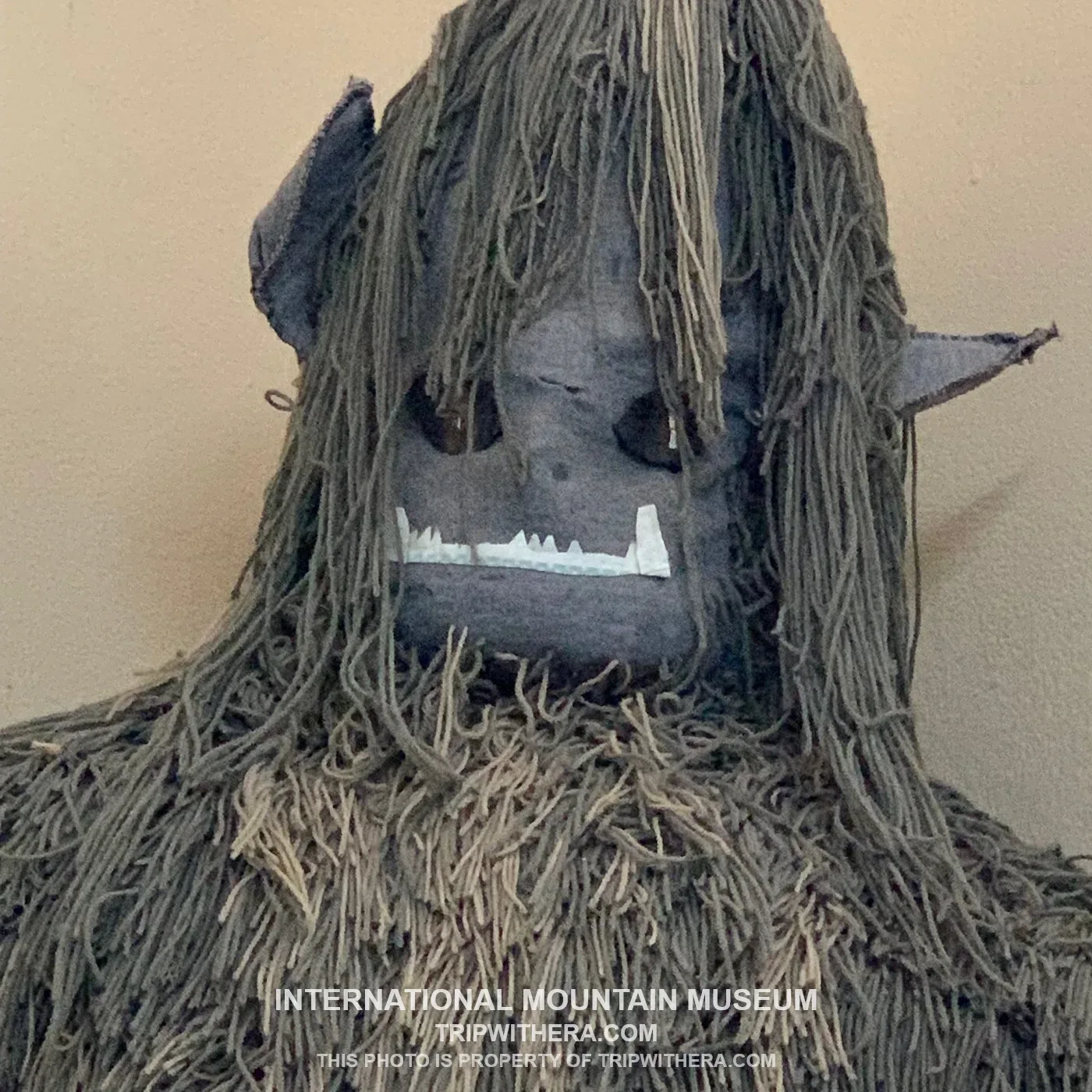
Life-size models, traditional houses, farming tools and cultural displays help visitors understand how people have adapted to life in high-altitude regions.
Mountain Flora & Fauna
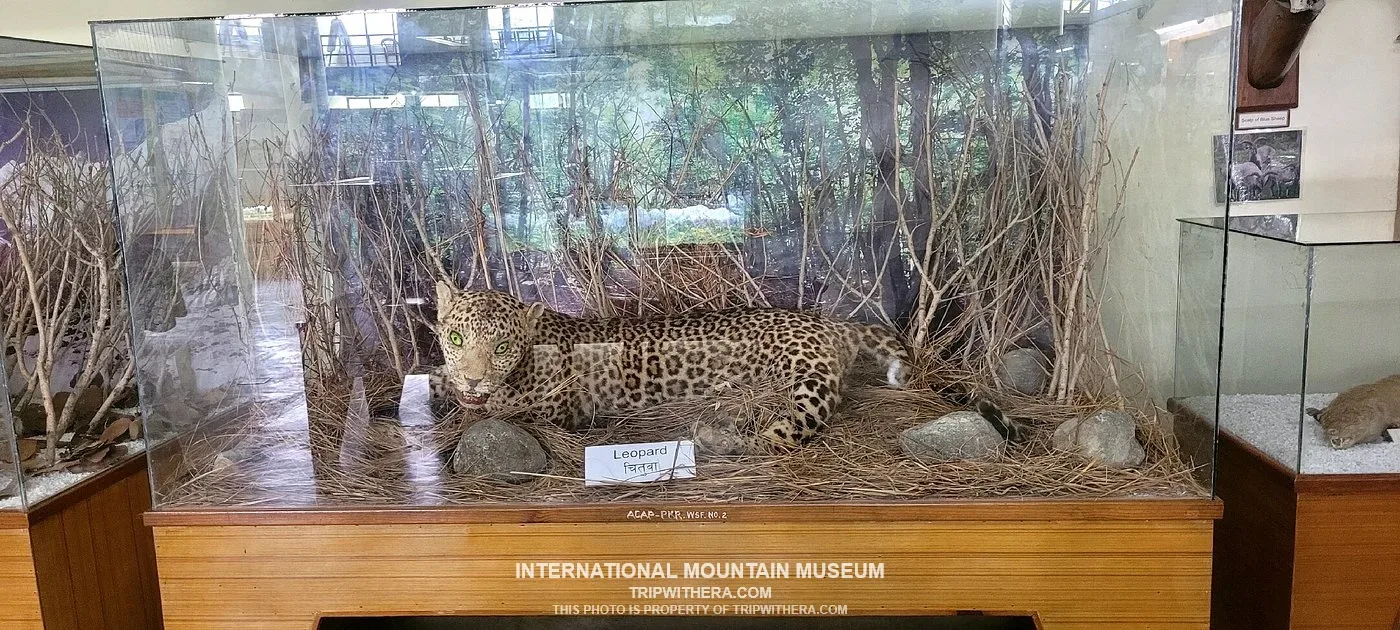
The museum explains the biodiversity of the Himalayas, including native plants, forests, birds and wildlife. Exhibits introduce visitors to species found across Nepal's mountain ecosystems.
Geology & Mountain Formation
Interactive displays explain how the Himalayan Mountains were formed through tectonic plate movements millions of years ago. Geological models and educational diagrams make complex scientific concepts easy to understand.
Outdoor Exhibition Area
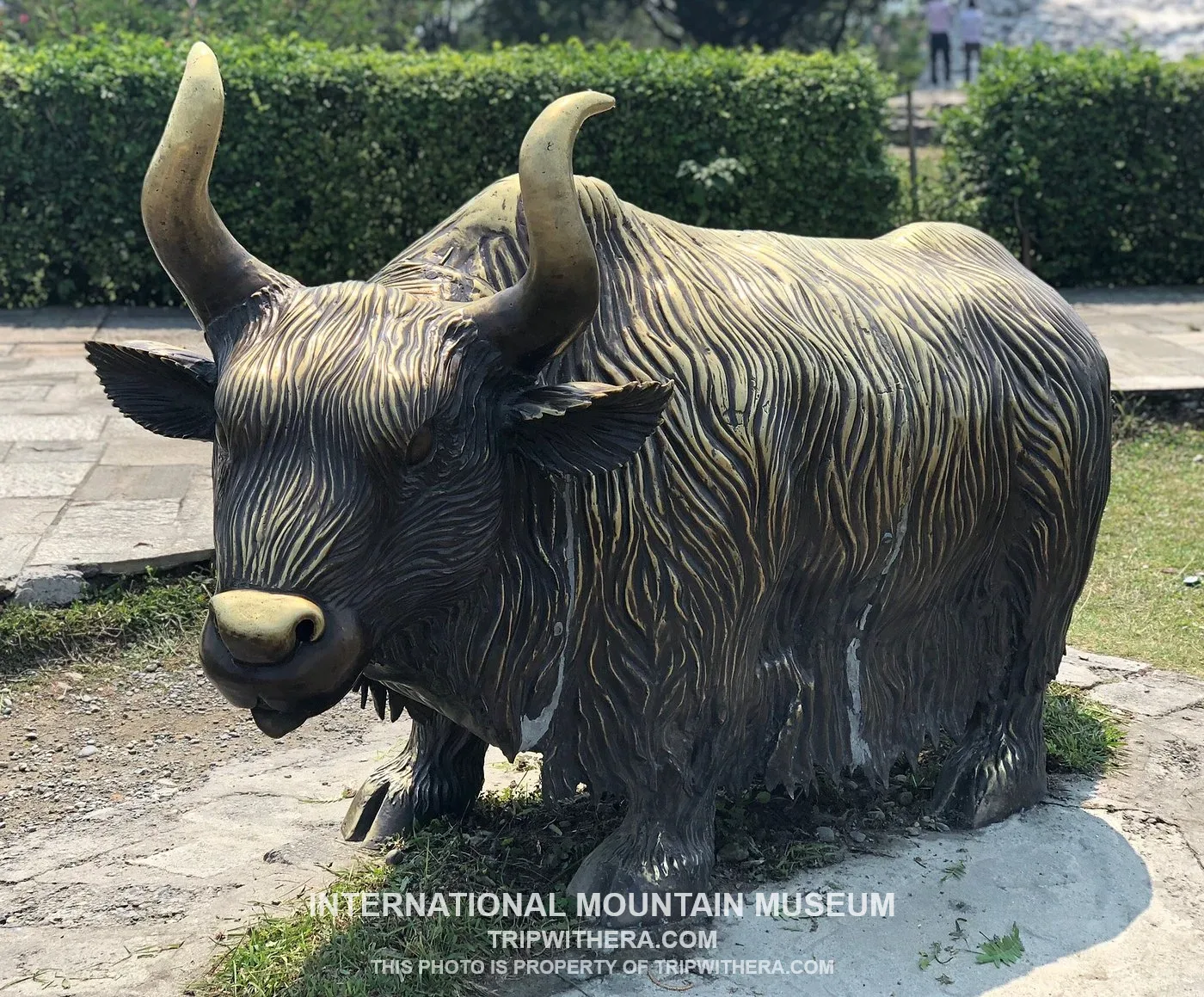
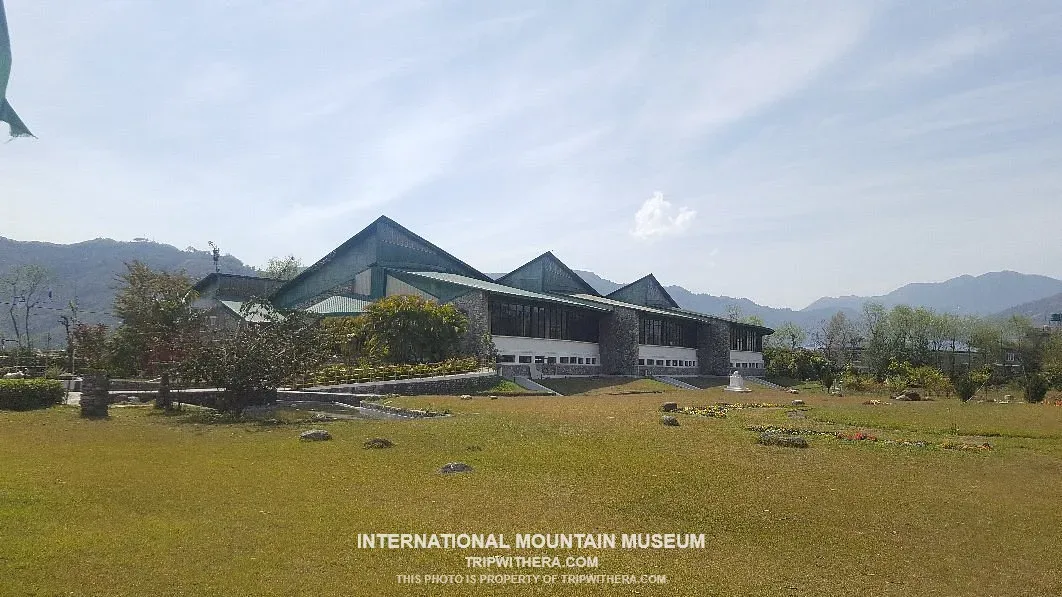
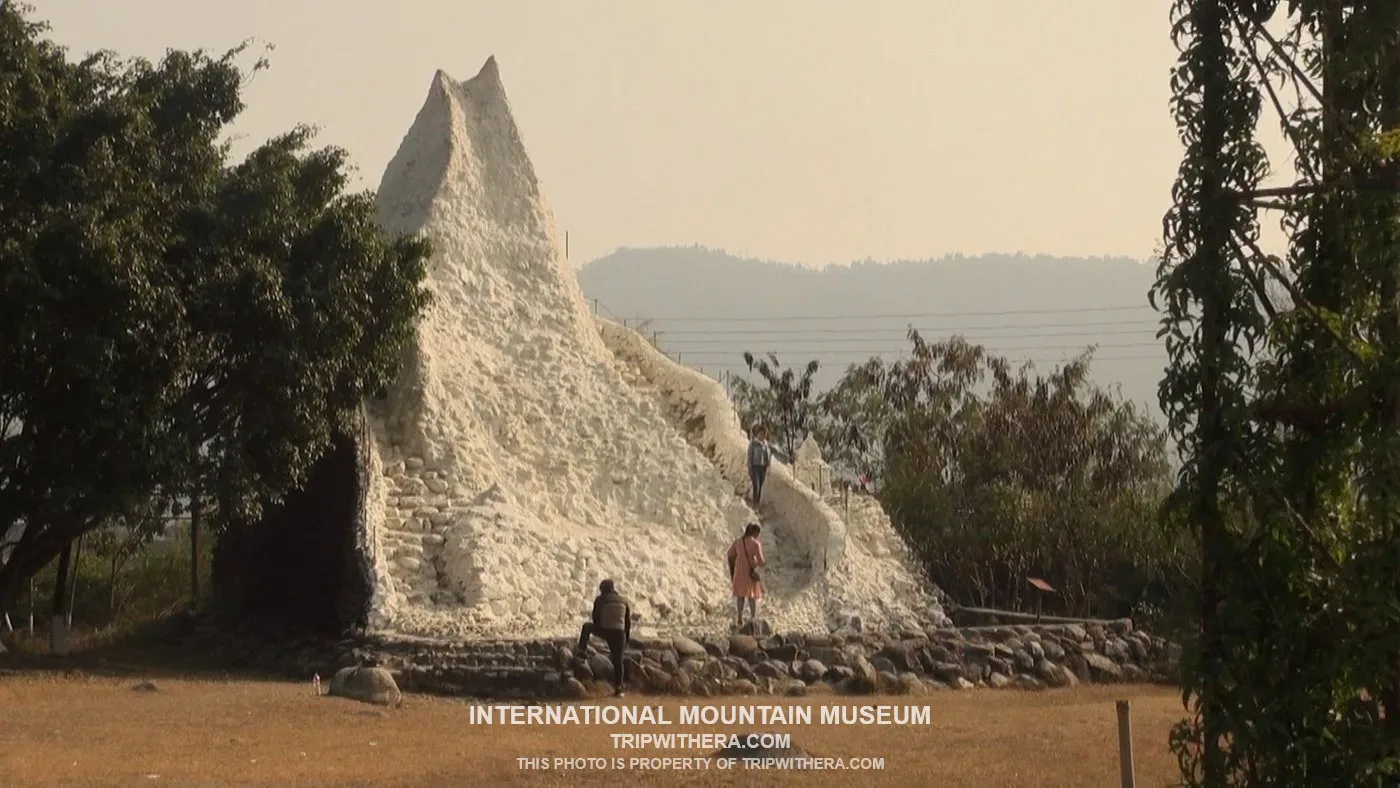
Outside the museum, visitors can explore mountain monuments, memorials, traditional architecture, sculptures and landscaped gardens while enjoying beautiful views of the Annapurna Range on clear days.
Educational Experience
The museum is one of the best places in Nepal for learning about mountains. Students, researchers and travellers can gain valuable knowledge about Himalayan geography, climate, glaciers, expeditions, conservation and mountain cultures.
Many visitors choose to visit the museum before beginning trekking adventures because it provides useful background about the Annapurna region and Nepal's mountain environment.
Photography
Photography opportunities include museum architecture, outdoor monuments, traditional houses, Himalayan displays, gardens and mountain backdrops. Visitors should always follow museum photography regulations, as some indoor galleries may restrict photography or require additional permission.
Ideal Travellers
Families
An educational and enjoyable destination suitable for visitors of all ages.
Students
Excellent for learning about geography, science, history, culture and environmental conservation.
Trekkers
Provides valuable background information before trekking in the Annapurna or Everest regions.
History Enthusiasts
Perfect for travellers interested in Himalayan exploration and famous mountaineering expeditions.
Photographers
Beautiful architecture, exhibits and outdoor landscapes make the museum a rewarding photography location.
Nearby Attractions
- Phewa Lake
- Sarangkot
- Pumdikot Shiva Statue
- World Peace Pagoda
- Devi's Fall
- Gupteshwor Mahadev Cave
- Pokhara Lakeside
- Bindhyabasini Temple
Best Time to Visit
September – November
Clear weather and excellent Himalayan visibility make autumn one of the best times to visit.
March – April
Pleasant temperatures and beautiful landscapes create ideal sightseeing conditions.
December – February
Cool weather with excellent mountain visibility, especially on clear days.
July – August
Monsoon season brings greener surroundings but occasional rain and reduced mountain views.
Recommended Visit Duration
- 2–3 Hours for exploring all museum galleries.
- Half Day including gardens and nearby attractions.
- Full Day when combined with Pokhara sightseeing.
How to Reach
The International Mountain Museum is located approximately 3–5 km from Pokhara Lakeside and can be reached by taxi, private vehicle, motorcycle or local transportation in around 10–20 minutes, depending on traffic.
Facilities
- Ticket Counter
- Parking Area
- Public Washrooms
- Museum Galleries
- Souvenir Shop
- Garden Area
- Resting Benches
- Visitor Information
Food & Refreshments
Small cafés and restaurants are available nearby, while Pokhara Lakeside offers a much wider variety of Nepali, Indian and international cuisine.
Practical Tips
- Allow at least two hours to explore the museum.
- Wear comfortable walking shoes.
- Carry a camera for outdoor photography.
- Read the information panels to better understand each exhibit.
- Follow museum photography rules.
- Carry drinking water during summer.
- Visit on a clear day for Himalayan views from the outdoor area.
- Combine the museum with nearby Pokhara attractions.
Responsible Tourism
- Do not touch museum artifacts unless permitted.
- Maintain silence inside exhibition halls.
- Follow museum staff instructions.
- Dispose of waste responsibly.
- Respect photography restrictions.
- Support conservation and educational initiatives.
Why Visit?
- Learn about the world's highest mountains.
- Explore the history of Himalayan mountaineering.
- Understand Nepal's diverse mountain cultures.
- Discover Himalayan wildlife and geology.
- See authentic climbing equipment and expedition history.
- Perfect introduction before trekking in Nepal.
Final Impression
The International Mountain Museum is much more than a traditional museum. It is a gateway to understanding the Himalayas, Nepal's mountaineering legacy and the remarkable people who call the mountains home.
Combining education, history, science and culture, the museum provides one of Pokhara's most enriching visitor experiences. Whether you are planning a trek, travelling with family or simply fascinated by the world's highest mountains, the International Mountain Museum deserves a place on every Pokhara itinerary.
CulturalMuseumFamilyCouple FriendlyChildren FriendlySenior FriendlyPhotographyFoodVegetarian FoodNon-Vegetarian FoodLocal FoodFood StreetSunrisePaid Entry
Travel, Timing & Entry Information
Use the quick sections below to understand transport, timing, fees and basic access.
01
GETTING THERE
Distance & Transport
- Distance from City Centre
- 5.0 KM
- Distance from Airport
- 7.0 KM
- Distance from Bus Stand
- 4.0 KM
- Approx. Travel Time
- 15
- Transport Options
- Walking, Taxi, Private Car
- Road Condition
- Very Good
- Taxi Fare
- 500
- Local Bus Fare
- 50
- Parking
- Available
02
VISITOR DETAILS
Timing & Entry
- Opening Time
- 10:00 AM
- Closing Time
- 04:00 PM
- Weekly Closing
- Open Daily
- Adult Entry
- Not specified
- Child Entry
- Not specified
- Camera / Video
- Not specified
- Guide Charge
- Not specified
- Best Time of Day
- Before 10 AM & Evening Best
- Best Months
- Any Time
- Crowd Level
- Not specified
Facilities, Suitability & Activities
See what is available and who will enjoy this place most.
Facilities
WashroomFood StallsRestaurantsVegetarian FoodNon-Vegetarian FoodLocal FoodSeating AreaParkingGuide AvailableATM NearbyMedical HelpLockerPhotography Allowed
Suitable For
FamilyCoupleChildrenSenior CitizensSolo TravellerWomen TravellerGroup TravellerBudget TravellerLuxury Traveller
Activities
Cultural Experience
International Mountain Museum Gallery
Open any image to view the full-size location photo.
Traveller Reviews
Approved traveller feedback helps others plan with realistic expectations.
No approved traveller reviews yet
Be the first traveller to share a useful experience.