NEPAL DESTINATION GUIDE
Pokhara
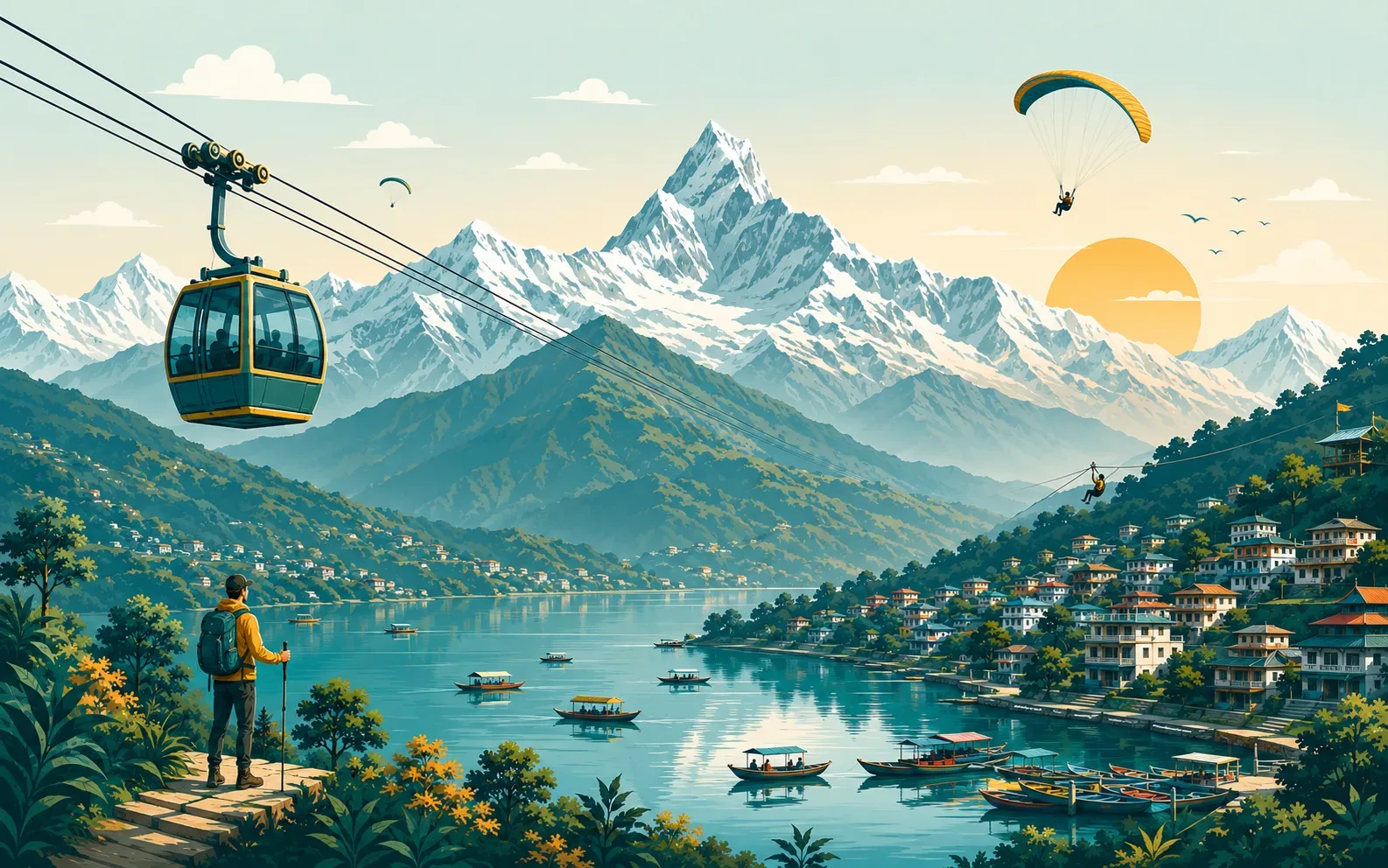
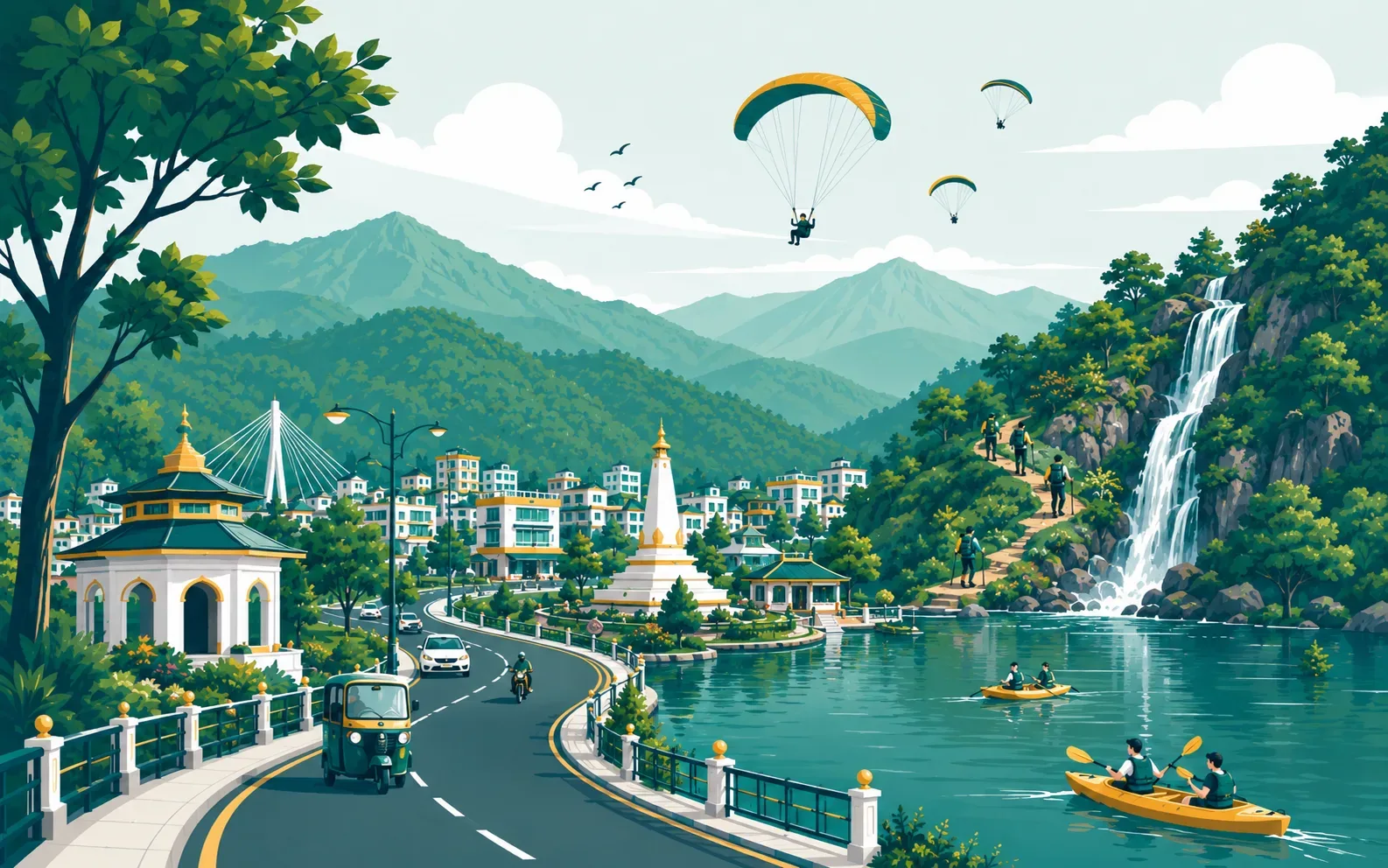
Pokhara is one of Nepal’s most beautiful tourist destinations, famous for its peaceful lakes, Himalayan mountain views, waterfalls, caves, temples, and exciting adventure activities. Visitors can enjoy boating on Phewa Lake, watch sunrise from Sarangkot, explore Davis Falls and Gupteshwor Cave, and experience paragliding, zip-lining, and scenic mountain journeys.
About Pokhara
Essential destination information before you start planning your route.
Pokhara, Nepal – Full Destination Description
Overview
Pokhara is one of Nepal’s most beautiful and popular travel destinations, known for its peaceful lakes, dramatic Himalayan scenery, green hills, waterfalls, caves, temples and adventure activities. Located in central Nepal, the city offers magnificent views of the Annapurna mountain range and the distinctive Machhapuchhre peak, also known as Fishtail Mountain.
The city combines natural beauty with a relaxed tourism atmosphere. Visitors can begin the day with a mountain sunrise, enjoy boating on Phewa Lake, explore caves and waterfalls in the afternoon, and spend the evening at Lakeside cafés and restaurants.
Pokhara is also an important gateway to the Annapurna region. Many trekking and hiking journeys towards Annapurna Base Camp, Ghandruk, Ghorepani, Jomsom and Mustang begin or connect through the city.
Whether travellers are seeking relaxation, romance, family sightseeing, photography, adventure or mountain exploration, Pokhara offers a balanced and memorable Nepal experience.
Atmosphere
Pokhara has a peaceful, scenic and welcoming atmosphere. The city feels calmer and more relaxed than many busy urban destinations, especially around its lakes and hill viewpoints.
Early mornings are particularly beautiful. On clear days, the first rays of sunlight illuminate the Annapurna mountains while the lakes remain calm and reflective. Mist over the water and soft morning light create excellent conditions for photography.
During the day, visitors can enjoy sightseeing, adventure activities, shopping and local food. In the evening, the Lakeside area becomes lively with music, cafés, restaurants, souvenir shops and travellers walking along the waterfront.
Away from the central Lakeside area, destinations such as Begnas Lake, nearby villages and forested hills offer a quieter and more traditional experience.
Ideal Travellers
Nature Lovers
Pokhara is ideal for travellers who enjoy lakes, forests, mountains, waterfalls, caves and scenic viewpoints.
Couples and Honeymooners
Peaceful boat rides, mountain views, lakeside dining and colourful sunsets make Pokhara a romantic destination for couples.
Families
Many major attractions can be reached comfortably by road, making Pokhara suitable for children, adults and elderly family members.
Adventure Travellers
Pokhara is one of Nepal’s leading adventure destinations, offering paragliding, zip-lining, bungee jumping, boating, kayaking, hiking and other outdoor activities.
Trekkers and Hikers
The city serves as an important starting point for trekking routes in the Annapurna region and short hiking trips around nearby villages and hill viewpoints.
Photographers and Content Creators
Snow-covered mountains, colourful boats, temples, village life, waterfalls, caves and sunrise viewpoints provide excellent photography and video opportunities.
Relaxation and Wellness Travellers
Pokhara is suitable for travellers who prefer yoga, meditation, cafés, slow travel, peaceful walks and quiet natural surroundings.
Local Culture
Pokhara reflects the cultural diversity of western Nepal and the wider Annapurna region. Gurung, Magar, Thakali, Brahmin, Chhetri and other communities have influenced the destination’s language, food, festivals, music and local traditions.
Hindu and Buddhist influences can be seen throughout the city in temples, monasteries, shrines, prayer flags, religious ceremonies and traditional architecture.
Hospitality is an important part of Nepali culture. Local people are often friendly and welcoming to travellers. Visitors should greet people politely, dress respectfully at religious sites and ask permission before photographing individuals or ceremonies.
Cultural experiences may include village visits, museums, traditional performances, local markets, regional food and community-based tourism.
Major Attractions
Phewa Lake
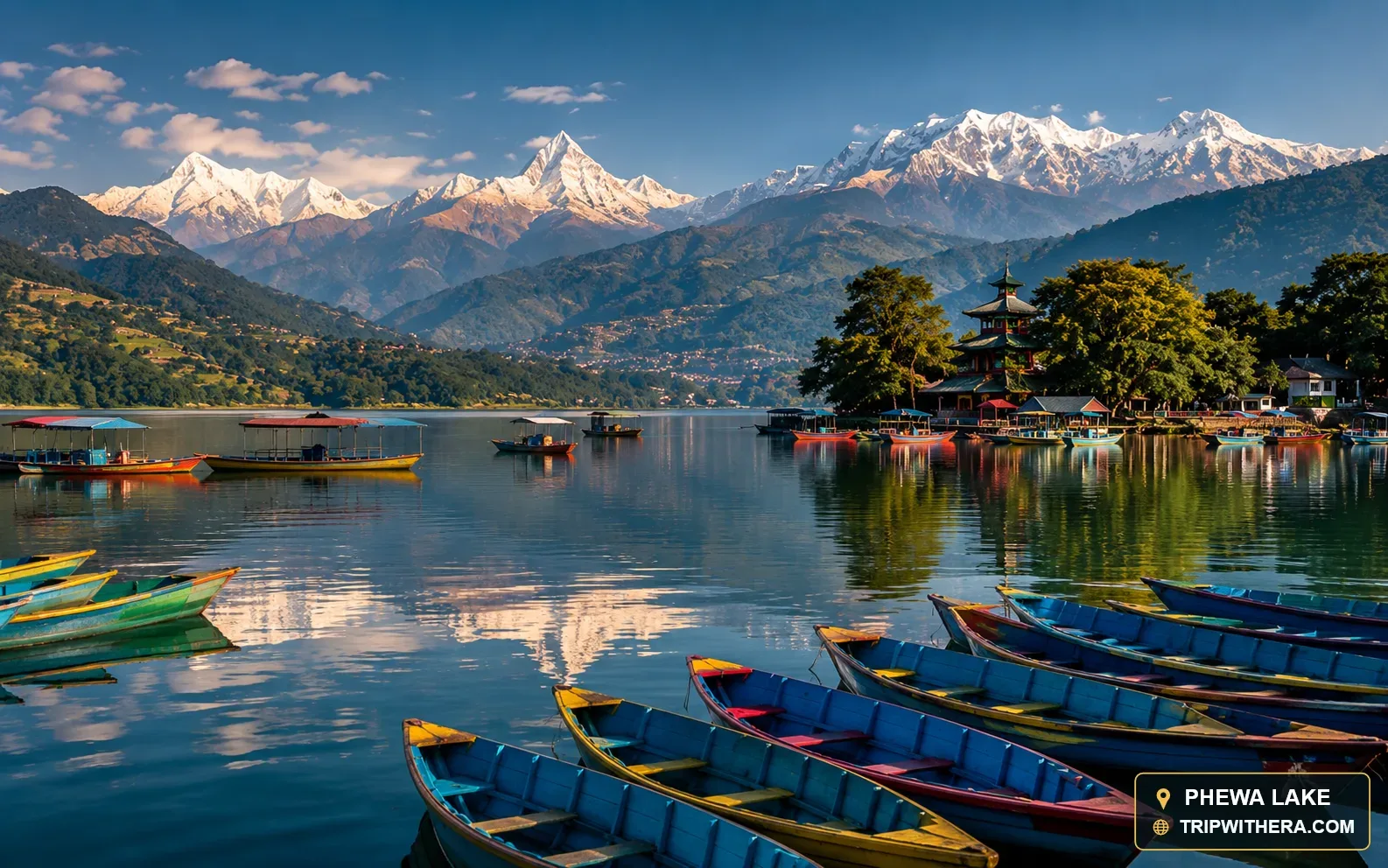
Phewa Lake is the heart of Pokhara and one of Nepal’s most famous lakes. Surrounded by green hills and the lively Lakeside area, it offers peaceful boating, waterfront walks, mountain reflections and beautiful sunset views.
Visitors can hire a traditional wooden boat and travel across the lake. One of its main attractions is Taal Barahi Temple, located on a small island and accessible only by boat.
Sarangkot
Sarangkot is one of the best-known sunrise viewpoints near Pokhara. On a clear morning, visitors can see the Annapurna range, Machhapuchhre and the surrounding valleys illuminated by the rising sun.
Sarangkot is also strongly associated with paragliding and offers panoramic views of Pokhara city and Phewa Lake.
World Peace Pagoda
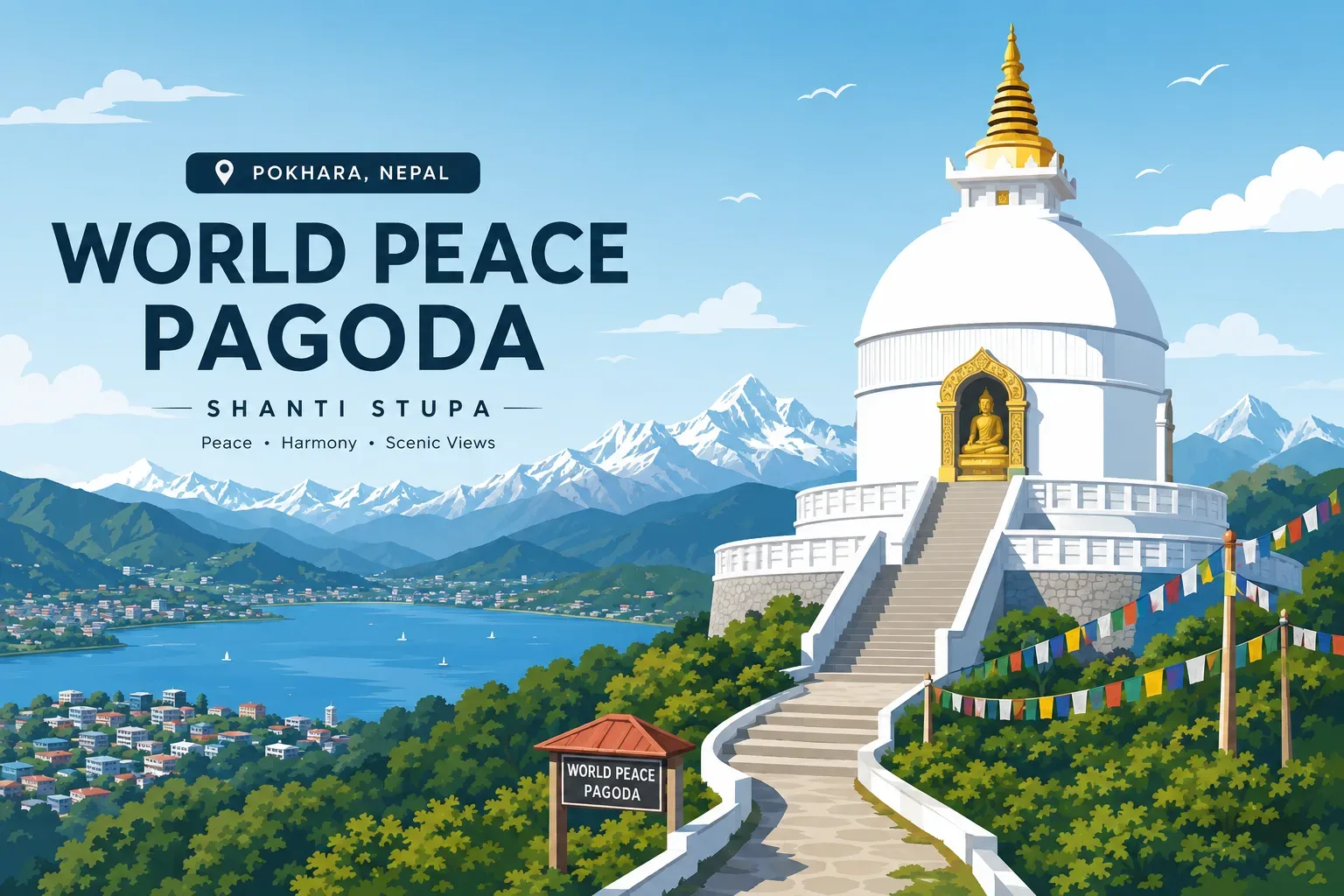
The World Peace Pagoda, also called Shanti Stupa, is located on a hill overlooking Phewa Lake. Its peaceful surroundings and elevated position provide wide views of the lake, city and Himalayan mountains.
Visitors can reach the site by road or combine a boat ride with a hill walk, depending on their chosen route.
Devi’s Fall
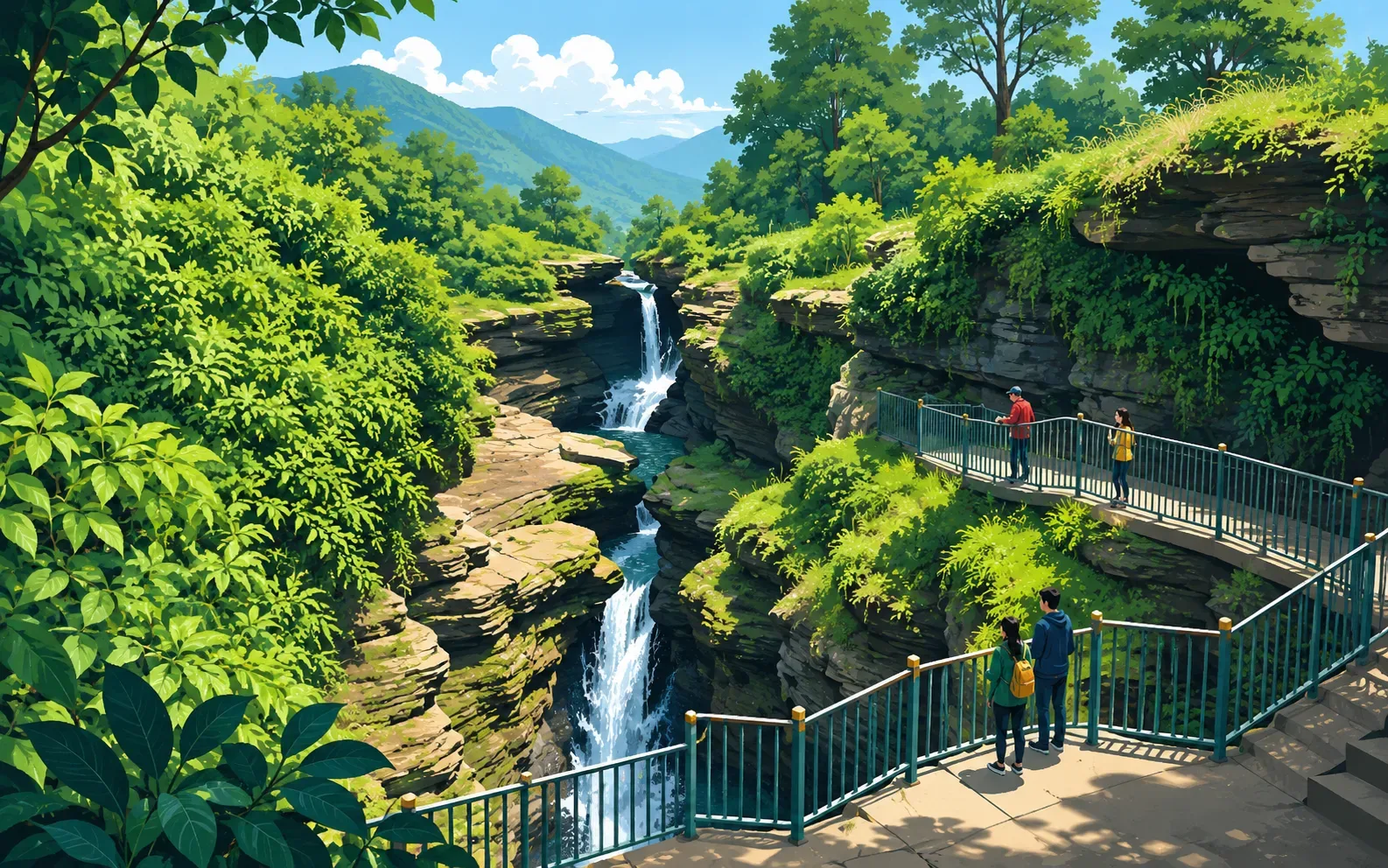
Devi’s Fall is a powerful waterfall where water disappears into a deep underground passage. It is especially impressive during and after the monsoon season when the water flow is stronger.
The attraction can be combined conveniently with Gupteshwor Cave, located nearby.
Gupteshwor Mahadev Cave
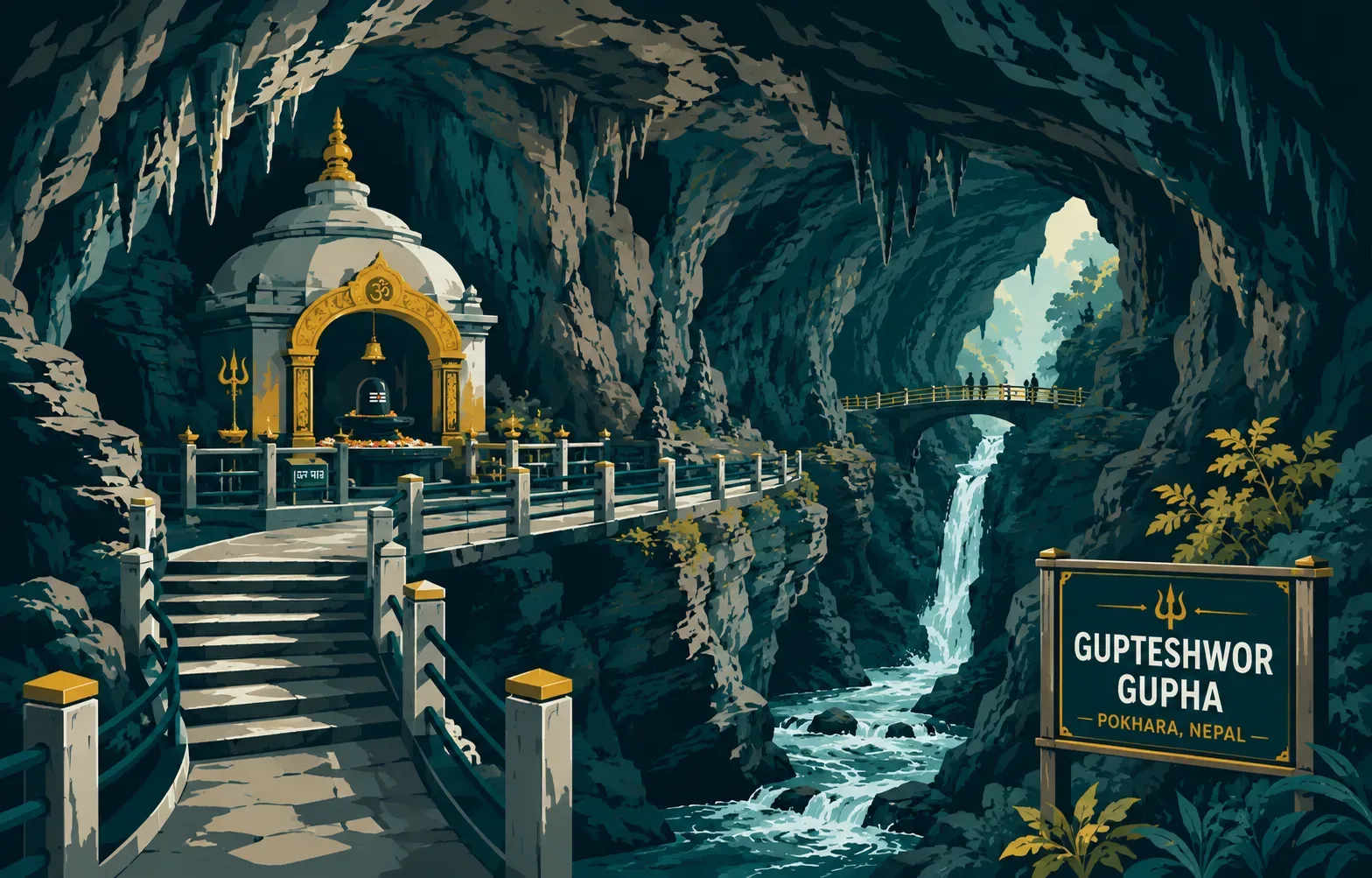
Gupteshwor Cave is a sacred and naturally formed cave located close to Devi’s Fall. It contains religious spaces dedicated to Lord Shiva and underground passages shaped by water and rock formations.
Visitors should wear suitable footwear because some parts may be wet, slippery or uneven.
Mahendra Cave
Mahendra Cave is one of Pokhara’s well-known limestone caves. Its dark passages and natural formations make it an interesting destination for families and travellers interested in geology.
Lighting can be limited, so visitors should walk carefully and follow designated routes.
Bat Cave
Bat Cave is a natural cave known for the bats that live inside it. It provides a more adventurous experience than some of Pokhara’s other caves and may involve narrow or darker sections.
Visitors should follow local safety instructions and avoid disturbing the bats.
Begnas Lake
Begnas Lake offers a quieter and less commercial atmosphere than Phewa Lake. Surrounded by hills, farmland and village communities, it is ideal for peaceful boating, photography and relaxation.
Travellers who prefer less crowded destinations often enjoy spending several hours around Begnas Lake.
Rupa Lake
Rupa Lake is another peaceful freshwater lake near Pokhara. It is known for natural surroundings, birdlife and a quiet rural atmosphere.
It can be combined with Begnas Lake as part of a relaxed countryside trip.
Pumdikot Shiva Statue
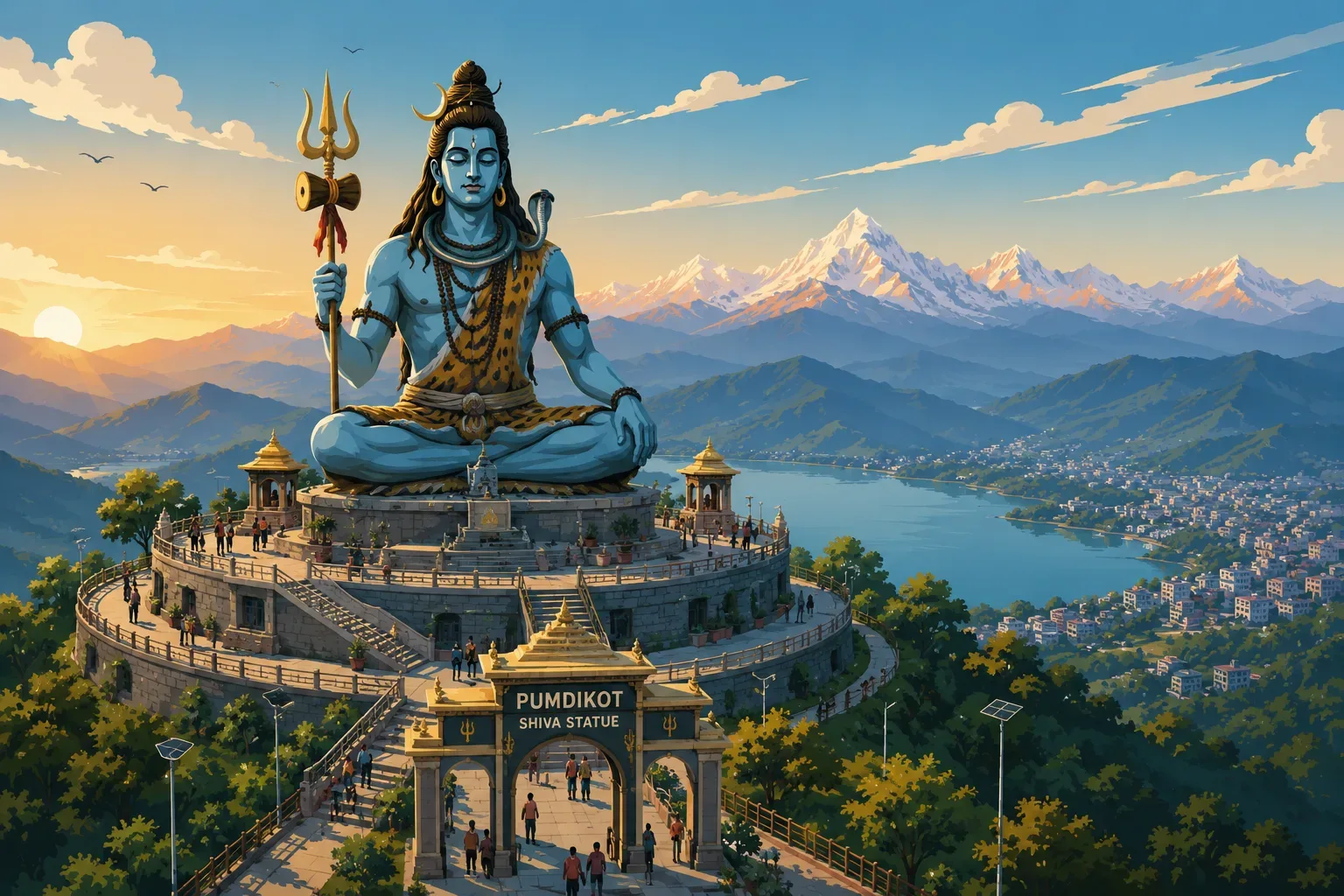
Pumdikot is known for its large Shiva statue and elevated panoramic views. The location overlooks Phewa Lake, Pokhara city and the surrounding mountain landscape.
It is suitable for spiritual visitors, photographers and families seeking a scenic hilltop experience.
International Mountain Museum
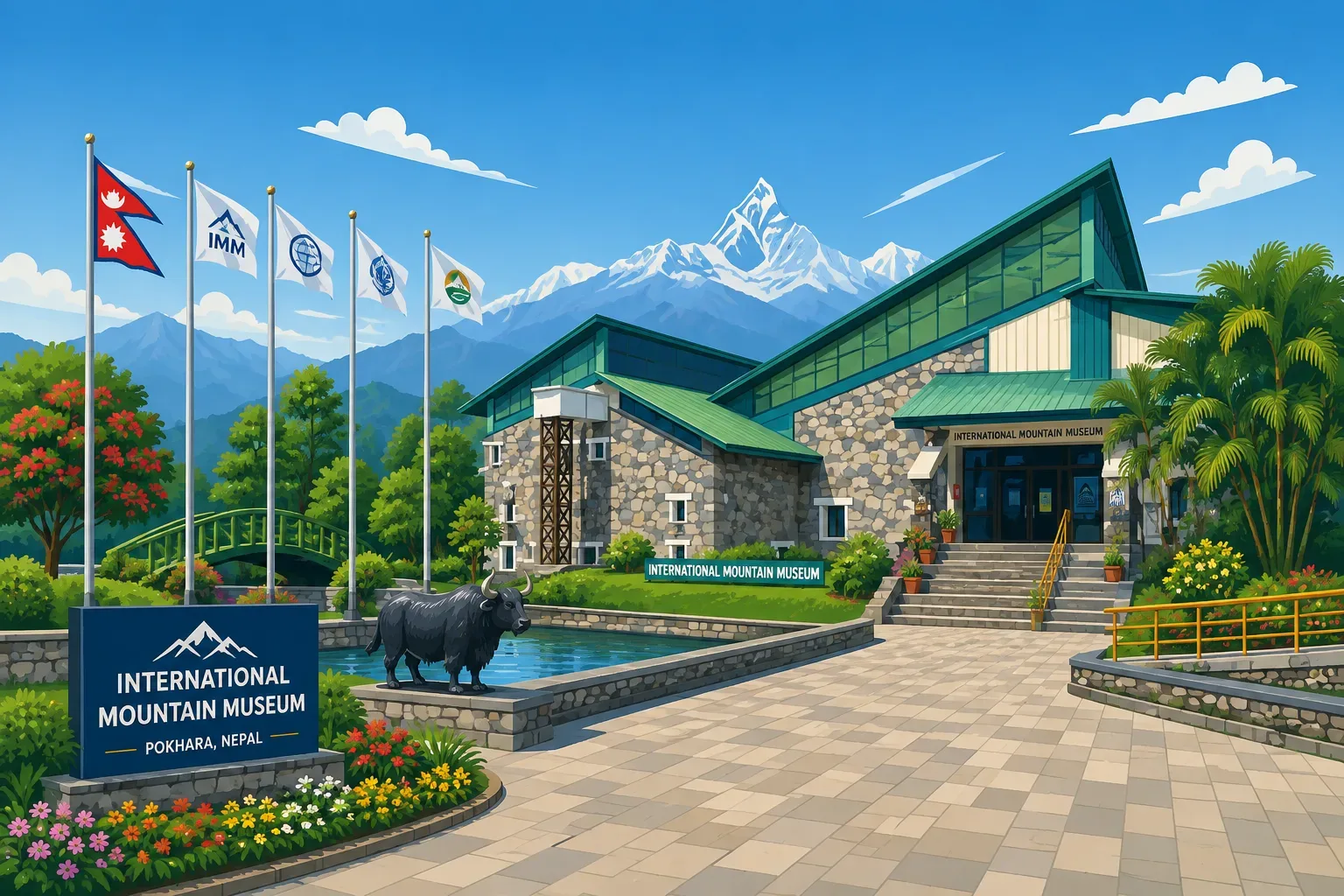
The International Mountain Museum introduces visitors to Himalayan geography, mountaineering history, mountain communities and famous expeditions.
It is particularly valuable for families, students and travellers planning to explore the Annapurna region.
Seti River Gorge
The Seti River passes through a deep and narrow gorge in parts of Pokhara. Viewpoints allow visitors to observe the powerful river flowing far below the surrounding urban landscape.
Bindhyabasini Temple
Bindhyabasini Temple is one of Pokhara’s important Hindu temples. Located on an elevated site, it attracts local devotees and provides views of parts of the city and mountains.
Visitors should dress respectfully and maintain silence during prayers and ceremonies.
Adventure Activities
Paragliding
Paragliding is one of Pokhara’s most famous adventure experiences. Flights generally provide views of hills, lakes, valleys and Himalayan mountains, subject to suitable weather and operating conditions.
Zip-Lining
Zip-lining offers a fast and exciting descent through the hill landscape near Pokhara. Travellers should use established operators and confirm safety arrangements before booking.
Bungee Jumping
Bungee jumping is available for travellers seeking a high-adrenaline activity. Age, weight, health and weather restrictions may apply.
Ultralight Flights
Ultralight flights provide an aerial view of Pokhara, its lakes and nearby Himalayan scenery. Operations depend heavily on weather and visibility.
Boating and Kayaking
Boating is available on Phewa Lake and other nearby lakes. Kayaking may also be available through local operators. Visitors should wear life jackets and follow all safety instructions.
Hiking and Short Treks
Short hikes around Sarangkot, the World Peace Pagoda, Australian Camp, Dhampus and nearby villages allow travellers to experience forests, rural life and mountain views without undertaking a long expedition.
Local Food
Pokhara offers traditional Nepali food along with Indian, Tibetan and international cuisine. The Lakeside area contains a wide selection of cafés, restaurants, bakeries and rooftop dining spaces.
Popular foods include:
- Dal bhat with rice, lentils, vegetables and curry
- Momos
- Thukpa
- Traditional Thakali meals
- Newari snacks and regional dishes
- Fried rice and noodles
- Local breads and bakery items
- Tea, coffee and fresh juices
- Freshwater fish dishes where available
Travellers with dietary restrictions should explain their preferences clearly before ordering.
Best Time to Visit
Pokhara can be visited throughout the year, but the best experience depends on weather, mountain visibility and planned activities.
September to November
Autumn generally offers clear skies, pleasant temperatures and excellent mountain visibility. This is one of the most popular periods for sightseeing, trekking and adventure activities.
March to April
Spring brings comfortable weather, colourful vegetation and good conditions for sightseeing and hiking.
December to February
Winter can provide clear mountain views, but mornings and evenings may be cold. Warm clothing is recommended, especially for sunrise viewpoints.
May to June
Temperatures become warmer and clouds may increase before the monsoon. Outdoor activities should be planned for the morning or late afternoon.
July to August
The monsoon season brings heavy rain, greener landscapes and reduced mountain visibility. Roads, flights and adventure activities may face disruption.
Recommended Visit Duration
Two Days
Two days are suitable for Phewa Lake, Lakeside, Devi’s Fall, Gupteshwor Cave and one sunrise or hilltop viewpoint.
Three to Four Days
Three or four days allow visitors to explore the main attractions, enjoy boating, experience an adventure activity and visit Begnas Lake or nearby villages.
Five to Seven Days
A longer stay is suitable for slow travel, short hiking trips, wellness activities, multiple viewpoints and a more relaxed exploration of Pokhara.
Suggested Three-Day Itinerary
Day 1: Phewa Lake and Lakeside
- Arrive in Pokhara and check in at your hotel.
- Explore the Lakeside area.
- Enjoy boating on Phewa Lake.
- Visit Taal Barahi Temple.
- Walk along the waterfront in the evening.
- Enjoy dinner at a lakeside restaurant.
Day 2: Sunrise and Major Attractions
- Visit Sarangkot early for sunrise.
- Return for breakfast.
- Explore Devi’s Fall.
- Visit Gupteshwor Cave.
- Continue to the World Peace Pagoda or Pumdikot.
- Return to Lakeside for the evening.
Day 3: Culture, Nature and Adventure
- Visit the International Mountain Museum.
- Explore Bindhyabasini Temple or Seti River Gorge.
- Choose paragliding, zip-lining or another adventure activity.
- Alternatively, take a relaxed trip to Begnas Lake.
- Spend the final evening shopping and dining in Lakeside.
Accommodation
Pokhara offers accommodation ranging from budget guesthouses to boutique hotels, lakeside resorts and luxury properties.
Before booking, consider:
- Distance from Phewa Lake and Lakeside
- Mountain or lake views
- Parking availability
- Lift access for elderly travellers
- Breakfast and restaurant facilities
- Hot water and power backup
- Airport or bus-station transfer services
- Cancellation and payment policies
Practical Guidance
- Carry comfortable walking shoes.
- Keep a light jacket for mornings, evenings and hill viewpoints.
- Use sunscreen, sunglasses and a hat during daytime sightseeing.
- Carry rain protection during the monsoon season.
- Keep some Nepali currency for entry tickets and small purchases.
- Use life jackets while boating.
- Book adventure activities only with established operators.
- Confirm weather conditions before sunrise trips or flights.
- Keep identification and travel documents secure.
- Allow extra time for traffic and changing road conditions.
- Drink safe, filtered or packaged water.
- Respect local religious and cultural customs.
Responsible Travel
- Do not throw waste into lakes, rivers, caves or public areas.
- Use reusable water bottles where safe and practical.
- Avoid disturbing birds, bats and other wildlife.
- Follow marked paths during hikes.
- Support local restaurants, guides, drivers and community businesses.
- Ask permission before photographing local people.
- Respect temple, monastery and village customs.
- Avoid loud behaviour in peaceful natural and religious locations.
Final Impression
Pokhara is a destination where lakes, mountains, adventure and local culture come together naturally. It offers the possibility of watching a Himalayan sunrise, boating across a peaceful lake, exploring caves and waterfalls, experiencing adventure activities and enjoying a relaxed evening beside the water—all within a single journey.
Its scenic beauty, welcoming atmosphere and wide range of experiences make Pokhara suitable for couples, families, solo travellers, photographers, trekkers and adventure seekers.
For visitors exploring Nepal, Pokhara is not simply a stop on the route; it is a complete destination that combines relaxation, spirituality, culture and unforgettable Himalayan scenery.
How to Reach Pokhara
Use this guidance as a starting point and confirm current local transport before departure.
How to Reach
By Air
Pokhara is accessible by domestic flights from Kathmandu and other connected locations, subject to current schedules and weather conditions.
Mountain weather may affect flights, so travellers should keep some flexibility in their itinerary.
By Road
Pokhara is connected with Kathmandu, Chitwan and other parts of Nepal by road. Tourist buses, private cars and local buses are commonly used.
Travel times may vary because of traffic, road conditions, construction and weather.
By Private Vehicle
A private car or reserved vehicle offers greater flexibility for families, groups and travellers visiting multiple destinations.
Getting Around
Lakeside is convenient for walking, but many attractions are spread across different areas. Taxis, hired cars, motorcycles and organised sightseeing vehicles are commonly used.
Negotiate or confirm fares before beginning local taxi journeys. For a full-day sightseeing trip, confirm waiting charges, parking fees and the complete route in advance.
Best Tourist Places in Pokhara
Compare ratings, distance and visitor information before choosing where to go.
 Cave
9.7/10
Cave
9.7/10
Pokhara · 3.5 KM from centre
Gupteshwor Mahadev Cave, Pokhara
Gupteshwor Mahadev Cave is a famous sacred cave in Pokhara dedicated to Lord Shiva. Located opposite Devi’s Fall, it features natural rock formations, underground passages and a spiritual Shiva shrine
 Historical
9.3/10
Historical
9.3/10
Pokhara · 5.0 KM from centre
International Mountain Museum
The International Mountain Museum is one of Nepal's most educational and unique attractions, located in Pokhara. Dedicated to the Himalayas, mountaineering history, mountain cultures and famous expeditions, the museum offers visitors an opportunity to explore the world's highest mountains, learn about legendary climbers and discover the lifestyle of Himalayan communities. It is an ideal destination for families, students, trekkers, photographers and anyone interested in Nepal's mountain heritage.
 Tourist Attraction
9.3/10
Tourist Attraction
9.3/10
Pokhara · 8.0 KM from centre
Phewa Lake
Phewa Lake, Pokhara — Nepal’s iconic freshwater lake, famous for peaceful boating, stunning Himalayan reflections, lakeside cafés, and beautiful views of the Annapurna range.
 Tourist Attraction
9.0/10
Tourist Attraction
9.0/10
Pokhara · 10.0 KM from centre
Pumdikot Shiva Statue
Pumdikot Shiva Statue is one of Pokhara's newest and most impressive spiritual landmarks, located on a scenic hilltop overlooking Pokhara Valley and Phewa Lake. Home to one of Nepal's tallest Lord Shiva statues, the destination offers breathtaking Himalayan views, peaceful temple surroundings and a panoramic observation point. Combining spirituality, architecture and natural beauty, Pumdikot is a must-visit destination for pilgrims, families, photographers and travellers exploring Pokhara.
 Viewpoint
8.9/10
Viewpoint
8.9/10
Pokhara · 10.0 KM from centre
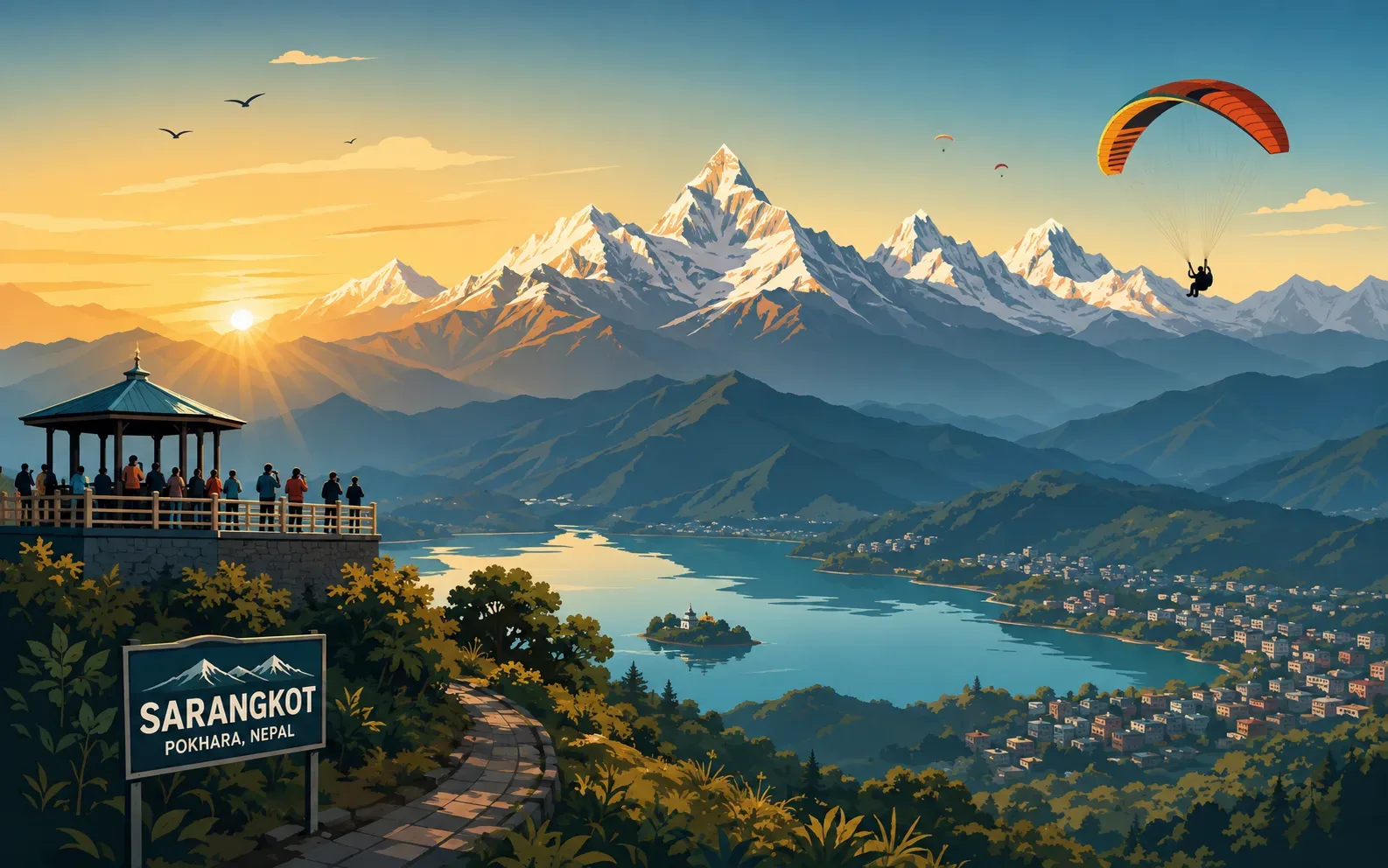
Sarangkot
Sarangkot is a famous hilltop destination near Pokhara, Nepal, known for its spectacular Himalayan sunrise, panoramic views of the Annapurna range, Machhapuchhre Mountain, Pokhara Valley and Phewa Lake. It is also closely associated with paragliding, photography and short hill excursions. With peaceful mountain scenery and easy access from Pokhara, Sarangkot is ideal for couples, families, photographers, nature lovers and adventure travellers.
 Lake
8.8/10
Lake
8.8/10
Pokhara · 12.0 KM from centre
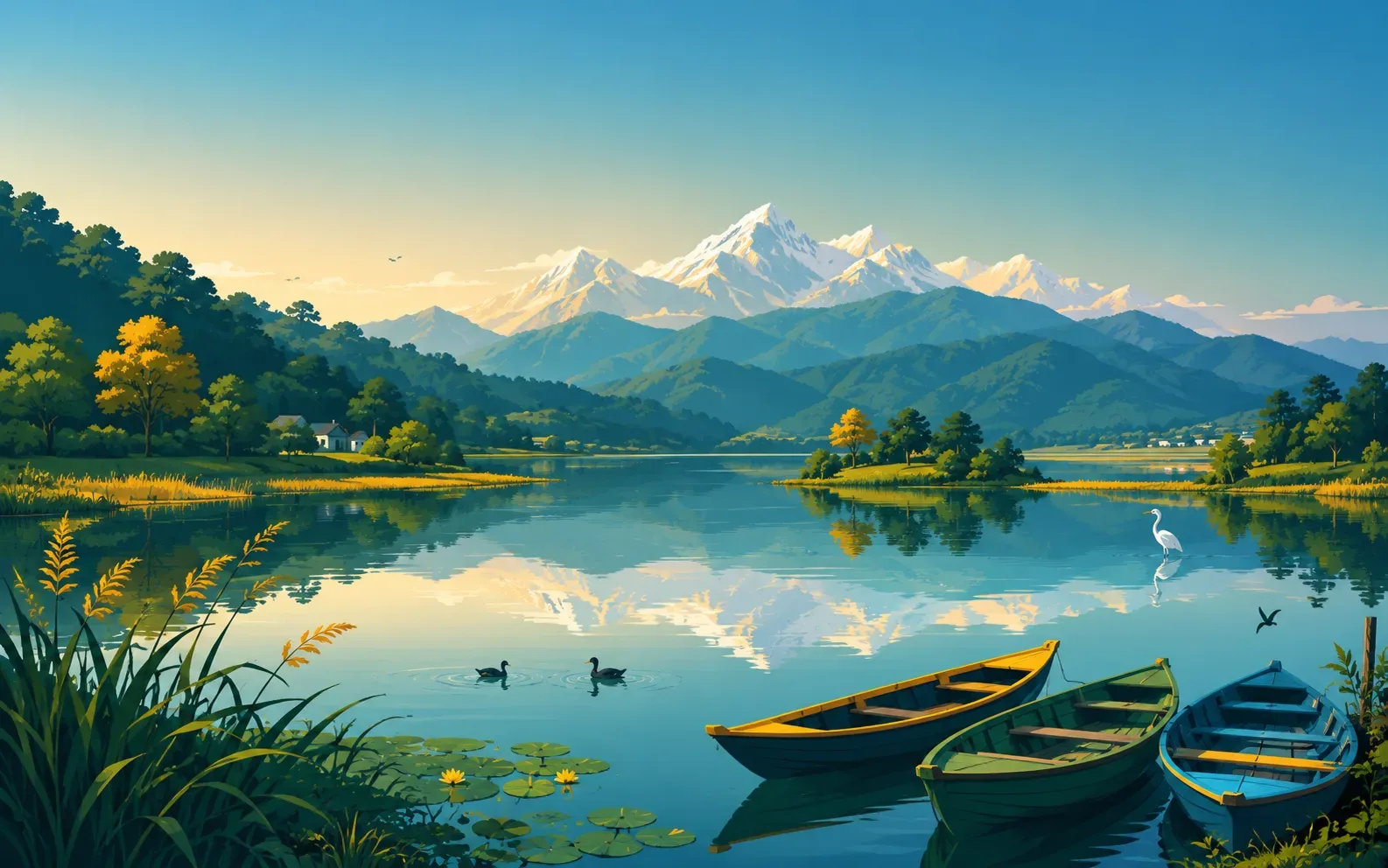
Khaste Lake Pokhara
Khaste Lake is a peaceful freshwater lake in the Lekhnath area of Pokhara, known for its wetland habitat, birdlife and quiet rural surroundings. It is a rewarding stop for birdwatching, photography and travellers looking for a less crowded side of Pokhara.
 Temple
8.7/10
Temple
8.7/10
Pokhara · 4.0 KM from centre
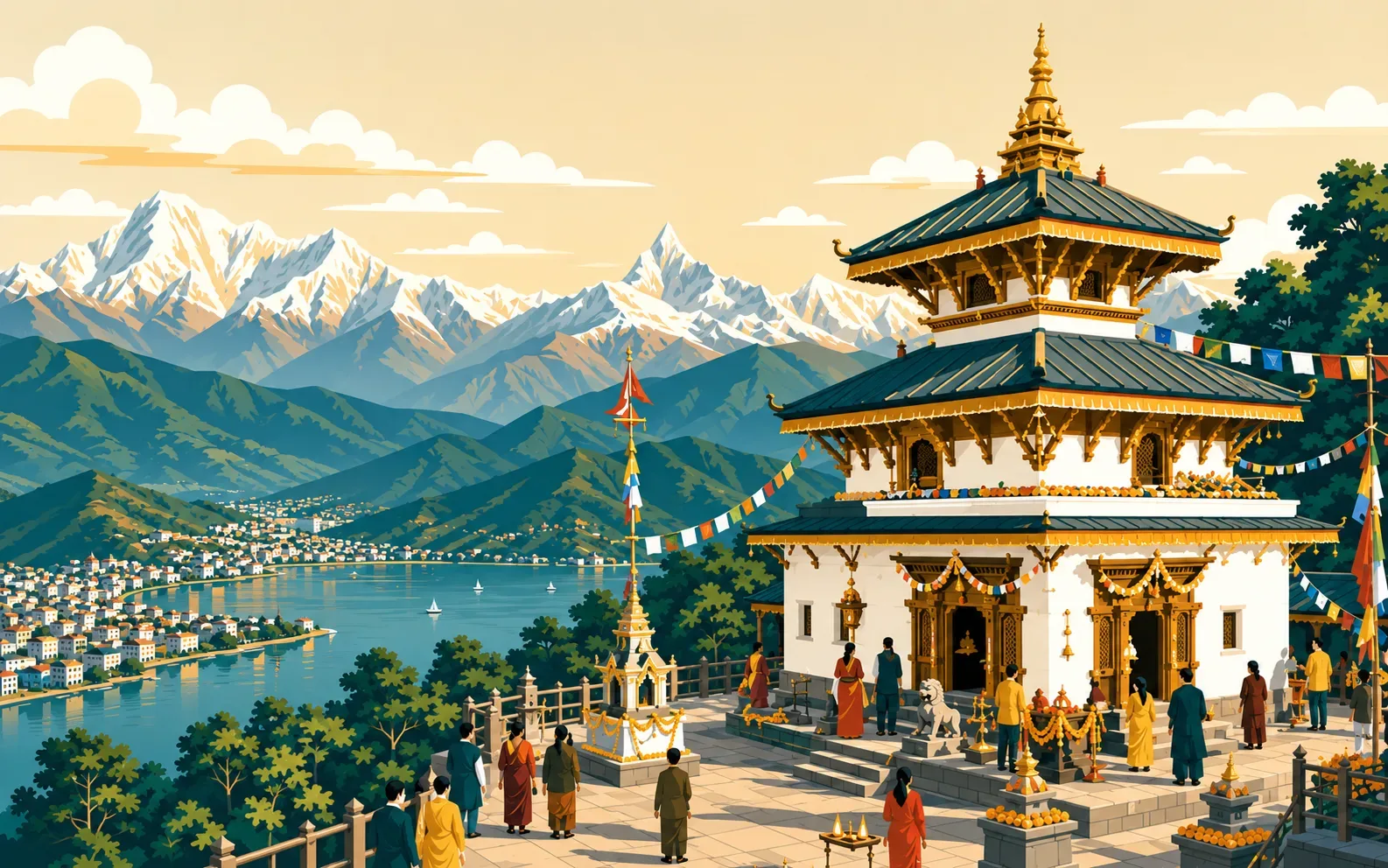
Bindhyabasini Temple
Bindhyabasini Temple is one of the oldest and most important Hindu temples in Pokhara, Gandaki Province, Nepal. Perched on a small hillock in the Miruwa area, it is dedicated to Goddess Bindhyabasini, the guardian deity of the city, and offers panoramic valley and Himalayan views along with a living centre of local worship and rituals.
 Cave
7.8/10
Cave
7.8/10
Pokhara · 8.0 KM from centre
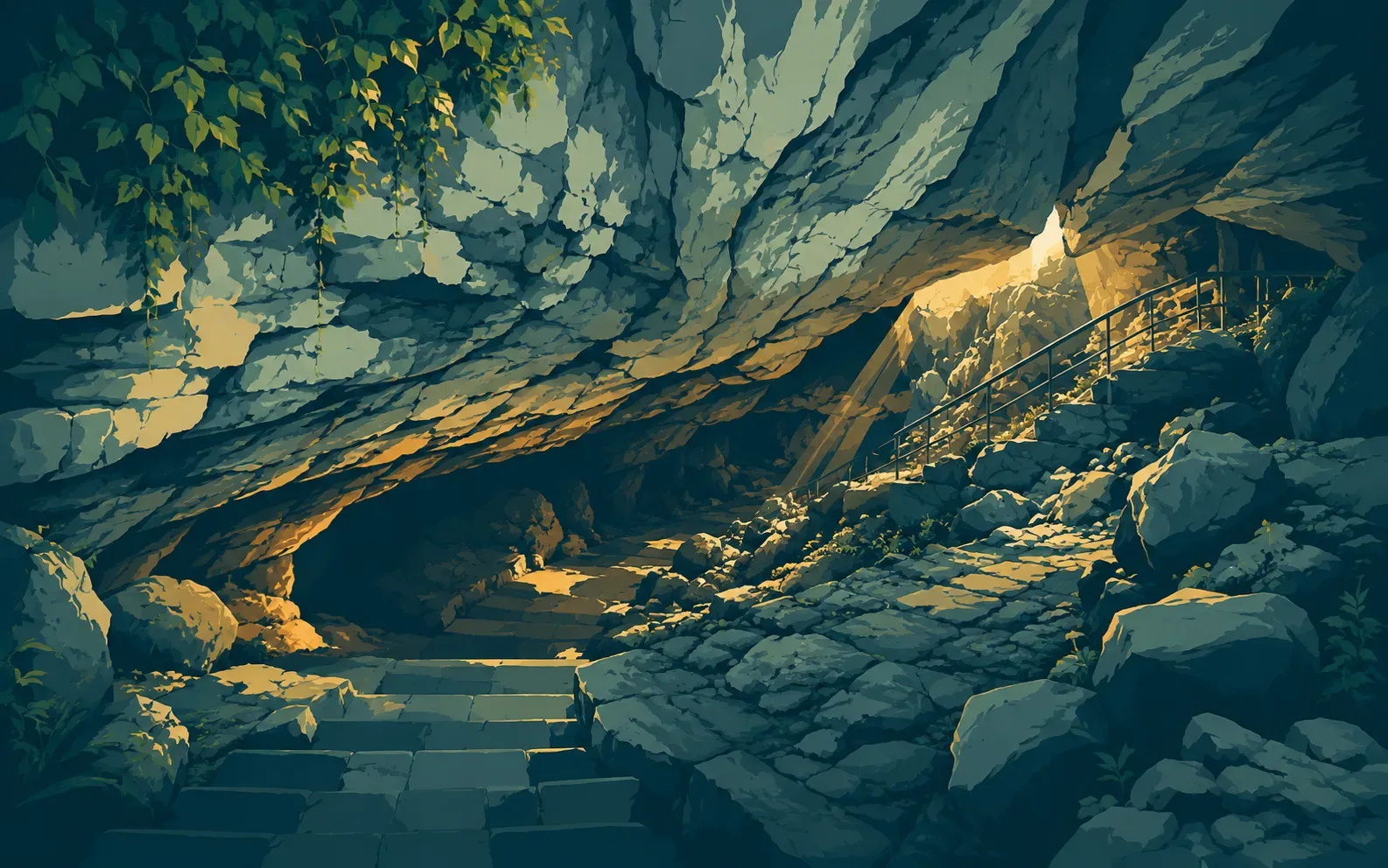
Mahendra Cave
Mahendra Cave is a natural limestone cave in Batulechaur, Pokhara-16, known for its dark underground passages, stalactites, stalagmites and a small Shiva shrine. Travellers visit to explore the cave formations and experience one of northern Pokhara’s best-known underground attractions.
 Temple
7.8/10
Temple
7.8/10
Pokhara · 8.0 KM from centre
World Peace Pagoda
World Peace Pagoda, also known as Shanti Stupa, is a peaceful hilltop Buddhist stupa in Pokhara offering beautiful views of Phewa Lake, Pokhara city and the Annapurna mountain range. It is a popular spot for sightseeing, photography, sunrise, sunset and peaceful mountain views.
 Waterfall
7.0/10
Waterfall
7.0/10
Pokhara · 3.5 KM from centre
Devi’s Fall
Devi’s Fall, locally known as Patale Chhango, is a famous waterfall in Pokhara where rushing water disappears into a deep underground gorge. Surrounded by natural rock formations and greenery, it is one of the city’s most popular sightseeing attractions.
Packages Covering Pokhara
Choose a planned route with transport, stay and package details in one place.
 Corporate
Kainchi Dham Achievement Journey
Embark on the Kainchi Dham Achievement Journey – a transformative pilgrimage to Neem Karoli Baba’s holy ashram. Receive divine blessings for success, peace, and progress in life
 Adventure
Manakamana Nepal Tour 45° Tour Yatra
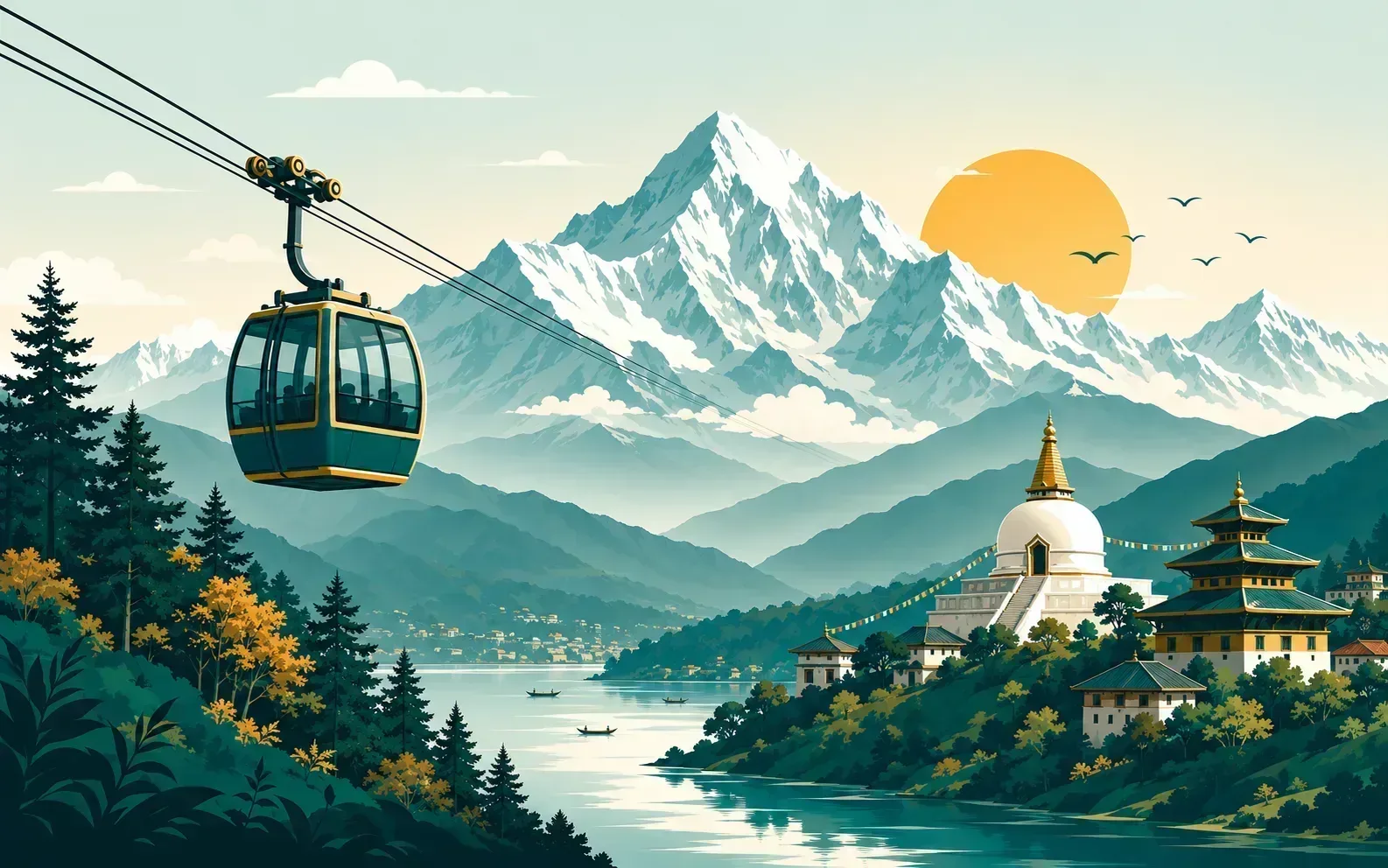
Experience the breathtaking beauty of Nepal on an unforgettable journey covering Manakamana Devi Temple. Enjoy the scenic Manakamana Cable Car ride, Himalayan views, spiritual experiences.
 Adventure
Special Tour of New Year Celebration at Nepal
Celebrate the New Year with TripWithEra on a planned Nepal journey covering Manakamana, Pokhara and Kathmandu, with scenic road travel through Narayanghat and Mugling. The tour combines major attractions, organised transport, accommodation, sightseeing and scheduled travel support in one structured itinerary.
 Adventure
Explore Nepal Hills & Adventure
Discover the peaceful beauty of Butwal, Nepal on a relaxing 2 Days / 1 Night journey from Gopalganj. Explore scenic viewpoints, local markets, beautiful gardens, riverside attractions, and the vibrant culture of one of Nepal's fastest-growing cities.